Why Historic Preservation Adds Unique Value To Urban Properties
In recent years, there has been a growing trend towards urban redevelopment and revitalization. As people flock to cities seeking job opportunities and a vibrant lifestyle, there is a renewed focus on preserving the rich history and culture of urban areas. Historic preservation has become a key aspect of urban development, and it is not just for aesthetic purposes. In fact, historic preservation adds unique value to urban properties in a variety of ways. In this article, we will delve into the reasons why historic preservation is important for urban properties and how it contributes to their overall value.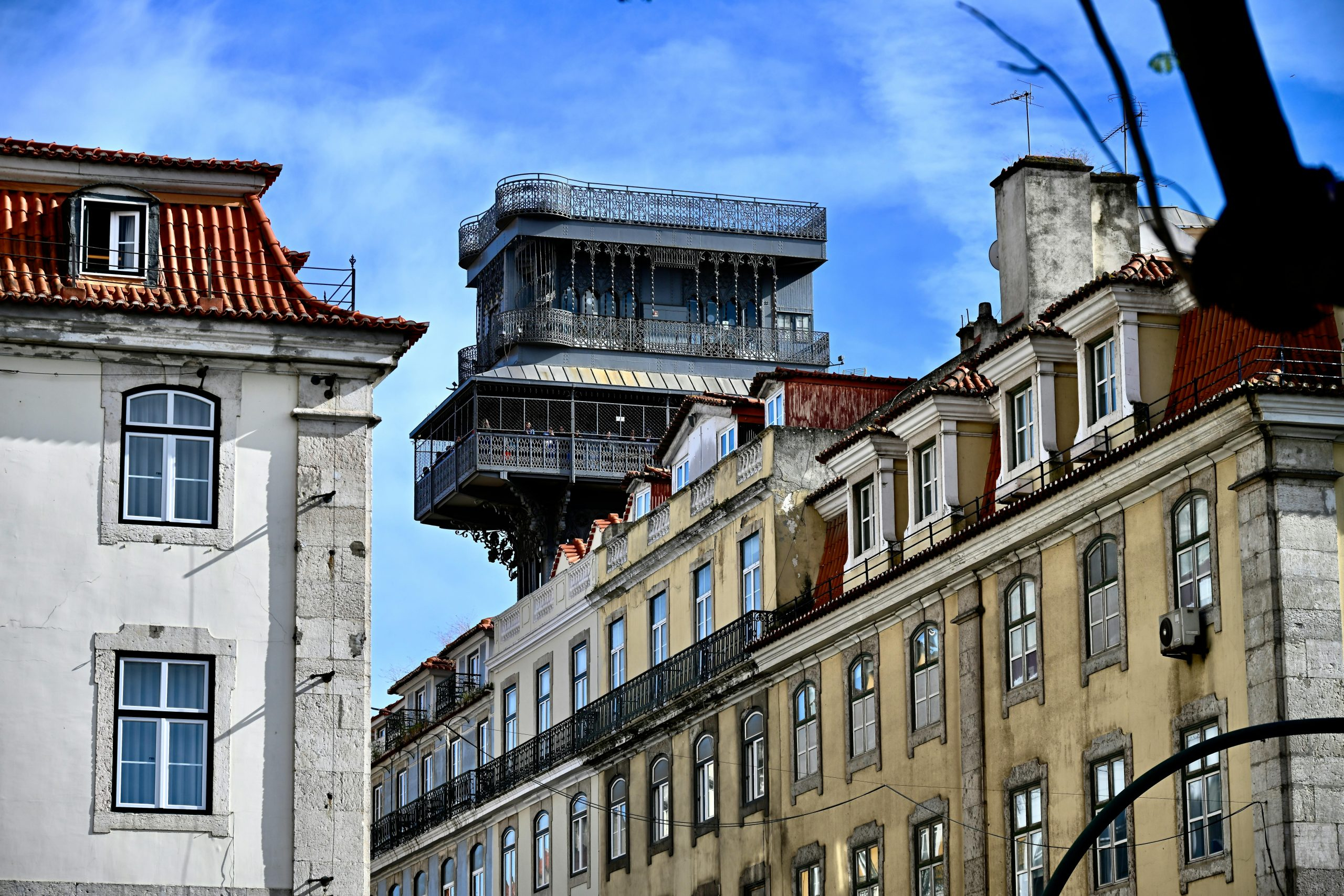
The Economic Benefits of Historic Preservation
One of the main reasons why historic preservation is gaining momentum in urban development is due to the economic benefits it brings. When a building or neighborhood is designated as a historic district, it becomes a tourist attraction and draws in visitors who are interested in learning about the history and culture of the area. This leads to increased foot traffic, which in turn, generates revenue for local businesses. In fact, studies have shown that historic preservation can significantly boost the local economy and contribute to job creation.
Increases Property Value
Historic preservation also has a direct impact on property value. When a property is designated as a historic landmark, it becomes a desirable and unique piece of real estate. This exclusivity can drive up the property value, making it a lucrative investment for property owners. Furthermore, preserving the historical and architectural character of a building or neighborhood can prevent urban sprawl and maintain a sense of community, thereby increasing the demand for properties in that area.
Promotes Sustainable Development
Another benefit of historic preservation is its impact on sustainable development. Urban areas that are considered historic districts often have well-established public transportation networks, pedestrian-friendly streets, and a mix of residential and commercial spaces. This promotes sustainable living by reducing the need for private vehicles and encouraging communal spaces. By preserving these existing structures, we avoid wasteful demolition and construction, which has a positive impact on the environment.
The Social and Cultural Value of Historic Preservation
Aside from the economic benefits, historic preservation also adds unique value to urban properties by preserving the social and cultural fabric of a community. When we preserve historical buildings and neighborhoods, we are also preserving the memories and stories of the people who lived and worked there. This sense of continuity and connection to the past fosters a strong community identity and promotes a sense of pride among residents.
Preserves Diversity
Urban areas are melting pots of cultures and traditions. By preserving historic neighborhoods and buildings, we are also preserving the cultural diversity of a community. This is especially important in cities that are undergoing rapid development, as it provides a tangible link to the past and helps residents maintain their unique identity. Furthermore, these spaces can serve as a meeting point for different cultures, fostering a sense of inclusivity and understanding.
Enhances Quality of Life
Preserving historic properties also has a direct impact on the quality of life of residents. The architectural and design elements of these buildings add character and charm to a neighborhood, making it a more attractive and livable space. Additionally, these structures are often built with high-quality materials and construction techniques that are not easily replicated today. With proper maintenance and restoration, these buildings can stand the test of time and provide a sense of stability and continuity in an ever-changing urban landscape.
Conclusion
In conclusion, historic preservation is an important aspect of urban development and adds unique value to properties. It has economic benefits, promotes sustainable development, and preserves the social and cultural identity of a community. As we continue to see rapid urbanization across the globe, it is crucial that we recognize the importance of preserving our rich history and heritage. By doing so, we are not only enhancing the value of urban properties, but also creating vibrant, livable, and inclusive communities for generations to come.