The Impact Of Short Term Rentals On Local Housing
In recent years, short term rentals have become a popular option for travelers looking for affordable and convenient accommodations. Platforms such as Airbnb, VRBO, and Booking.com have made it easier than ever for property owners to rent out their homes, apartments, and spare rooms to tourists and business travelers. While this may seem like a win-win situation, there has been increasing concern about the impact of short term rentals on local housing markets. In this article, we will examine the effects of the short term rental industry on local housing and the surrounding communities.
The Rise of Short Term Rentals
Short term rentals have been around for decades, but the rise of online platforms has made them more accessible and appealing to both hosts and guests. These platforms allow property owners to list their rentals and set their own prices, and they charge a commission for each booking. This business model has been extremely successful, with Airbnb, for example, reporting over 500 million guest arrivals since its launch in 2008.
On the guest side, short term rentals offer a unique and often more affordable alternative to traditional hotels. Travelers can stay in a local neighborhood and experience the city like a local, with the added amenities of a home such as a kitchen and living space. This has made short term rentals especially popular among millennials and families.
The Impact on Local Housing
Increased Housing Prices
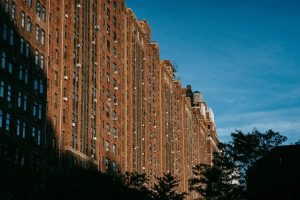
One of the biggest concerns about short term rentals is the effect on local housing prices. As more properties are turned into short term rentals, the supply of long-term housing decreases, driving up prices for renters and potential buyers. This is especially problematic in cities with already tight housing markets, such as San Francisco, New York, and London.
Additionally, short term rental platforms often offer more lucrative options for property owners, leading to a higher demand for rental properties and further driving up prices. This can have a ripple effect on the entire community, making it difficult for local residents, particularly low-income individuals and families, to find affordable housing.
Neighborhood Disruption
The short term rental industry has also been criticized for changing the dynamic of local neighborhoods. When properties are used as short term rentals, there is less of a sense of community and stability. Neighbors may not have the opportunity to get to know each other or form lasting relationships, and the influx of different guests can lead to disturbances and disruptions.
Moreover, short term rentals often operate in residential areas, which can lead to conflicts with long-term residents. Noise complaints, property damage, and parking issues are just some of the common concerns raised by local communities.
The Response from Local Governments
In response to these issues, many local governments have implemented regulations and restrictions on short term rentals. These can include limits on the number of properties that can be used for short term rentals, permit requirements, and taxes on rental income.
In some areas, short term rentals have been banned altogether in an effort to protect the local housing market. For example, in cities like Berlin and Barcelona, it is illegal to offer entire apartments for short term rental on platforms like Airbnb.
Conclusion
While short term rentals have their benefits, it is clear that they also have a significant impact on local housing. The industry has contributed to rising housing prices, disrupted neighborhoods, and strained relationships between property owners and long-term residents. It is important for local governments to carefully consider and regulate the short term rental industry to protect the interests of their communities and ensure a sustainable housing market for all.