
Navigating The Process Of Refinancing Your Primary Home Mortgage
If you’re a homeowner, chances are you’ve heard the term “refinancing” thrown around before. But what exactly does it mean and how can it benefit you? Refinancing is the process of replacing your existing mortgage with a new one, typically with more favorable terms. In this article, we’ll take a closer look at the process of refinancing your primary home mortgage and navigate through the important steps to help you make an informed decision.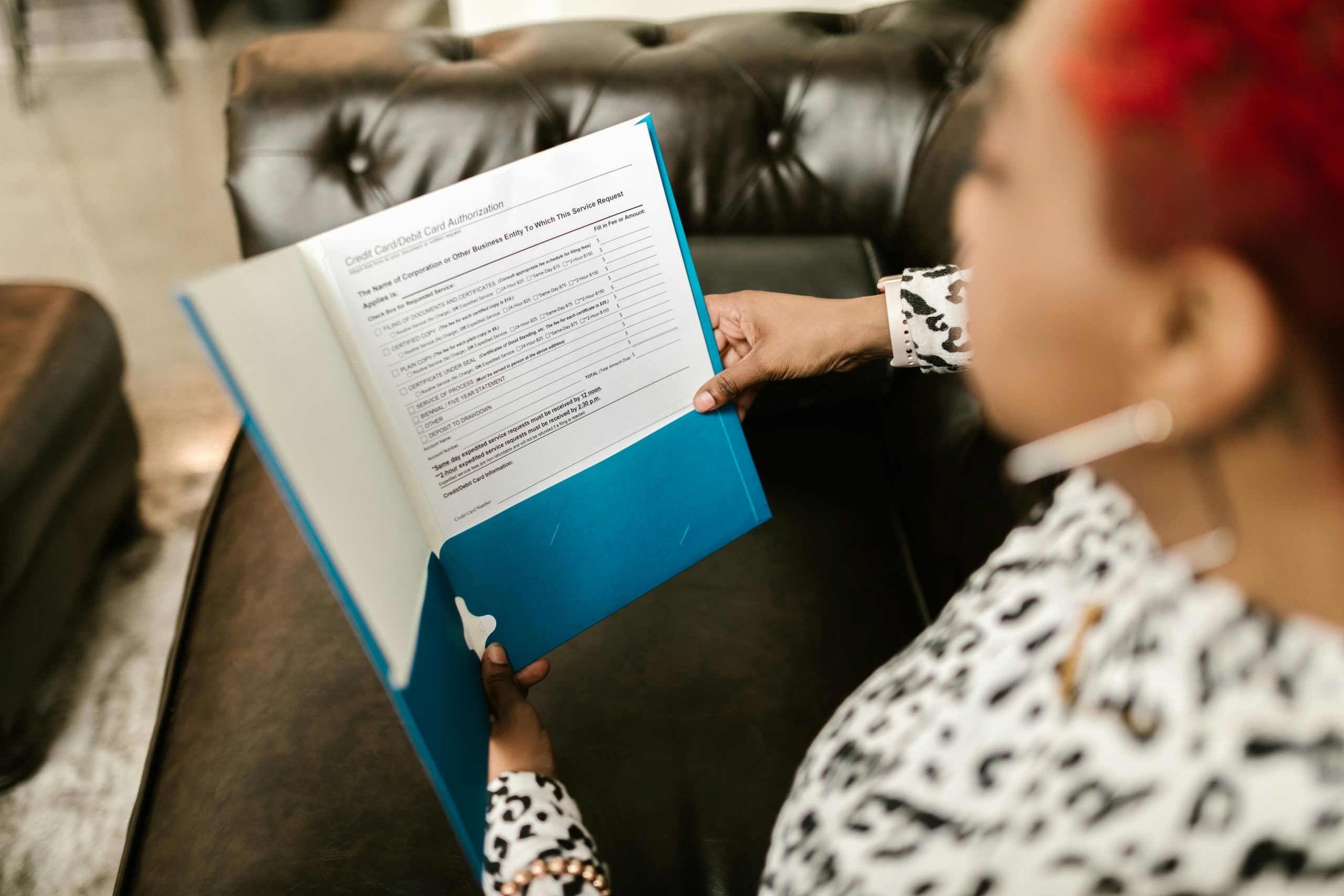
Why Refinance Your Primary Home Mortgage?
Refinancing your primary home mortgage can offer multiple benefits. One of the primary reasons homeowners choose to refinance is to secure a lower interest rate on their loan. A lower interest rate means paying less in interest over the life of the loan, resulting in significant savings. This is especially beneficial for those with high-interest loans or for those looking to shorten their loan term.
Another common reason to refinance is to take advantage of a change in your financial situation. If you find yourself with more disposable income, you may choose to refinance to make higher monthly payments and pay off your loan sooner. On the other hand, if you’re struggling to make your mortgage payments, refinancing can help you obtain a lower monthly payment, giving you some much-needed breathing room.
Step 1: Evaluate Your Finances
Before diving into the refinancing process, it’s vital to evaluate your financial situation and determine if it’s the right decision for you. This includes looking at your credit score, current interest rate, and overall monthly expenses. Keeping track of these numbers will help you determine if refinancing will truly benefit you.
Step 2: Research Lenders and Loan Options
Once you’ve decided that refinancing is the right move, it’s time to research lenders and their loan offerings. Take the time to compare interest rates, loan terms, and any associated fees. You can either reach out to lenders directly or use online tools to obtain personalized quotes. It’s important to thoroughly research your options to ensure you’re getting the best deal.
Step 3: Gather Necessary Documents
When you’re ready to officially apply for a refinance, you’ll need to gather all the necessary documents. This typically includes your income statements, tax returns, bank statements, and any additional documentation required by your chosen lender. Having these documents readily available will make the application process smoother and help speed up the overall process.
Step 4: Submit Your Application
Once you’ve gathered all the necessary documents, it’s time to submit your application. Your chosen lender will review your application and determine if you’re eligible for a refinance. If approved, the lender will provide you with a loan estimate that outlines the details of your new loan, including the interest rate and any associated fees.
Step 5: Close the Refinance
The final step in the process is closing the refinance. This is where you’ll sign all the necessary paperwork and pay any closing costs associated with the new loan. It’s important to review all the documents carefully to ensure everything is accurate before signing.
In Conclusion
Navigating the process of refinancing your primary home mortgage may seem daunting, but with the right information and guidance, it can be a smooth and beneficial process. Remember to evaluate your finances, thoroughly research your options, and gather all necessary documents before submitting your application. And once you close your refinance, you can enjoy the potential savings and financial stability it can provide. Happy refinancing!