The Evolution Of Digital Music Production In The Home Studio
In recent years, the landscape of music production has drastically changed. Gone are the days of expensive studio equipment and limited access to resources. With the rise of digital technology and the advancement of home recording equipment, the music production process has become more accessible and affordable than ever before. This has sparked a revolution in the way music is created, empowering artists to take control of their own music and produce high-quality content from the comfort of their own home. In this article, we will take a deep dive into the evolution of digital music production in the home studio and how it has transformed the music industry.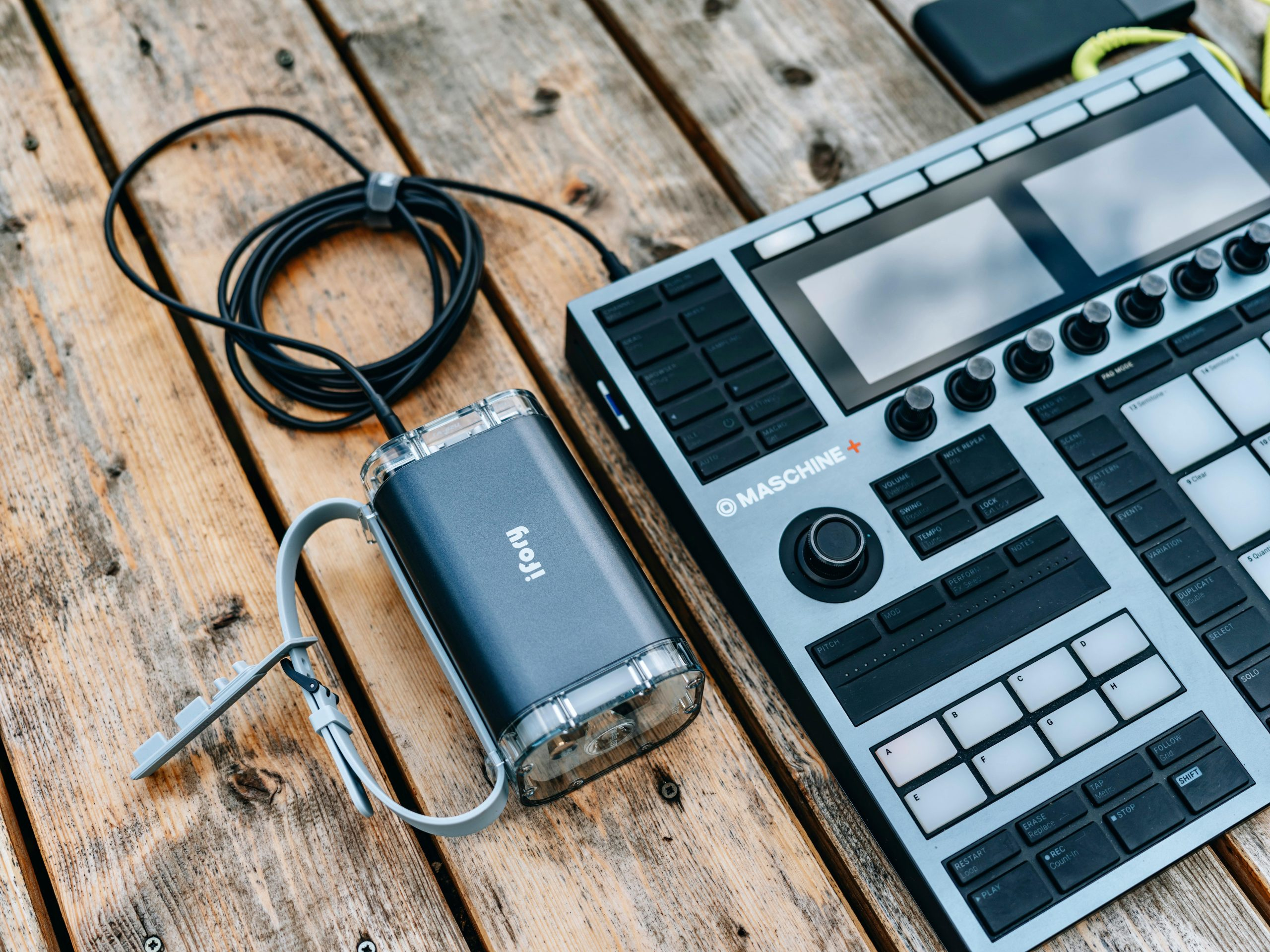
The Shift Towards Digital Technology
Before the rise of digital technology, music production was a lengthy and costly process. Studio time was expensive, and access to professional-grade equipment was limited. This made it difficult for independent artists and musicians to enter the music industry. However, with the introduction of digital technology, the game changed completely.
Digital audio workstations (DAWs) revolutionized the music production process by allowing artists to record, edit, and mix their music using only a computer and software. This eliminated the need for expensive studio equipment and made the production process more accessible to artists of all levels. Additionally, the advent of virtual instruments and plugins offered a wide array of sounds and effects at a fraction of the cost of their physical counterparts.
As digital technology continued to advance, home recording equipment became more affordable and user-friendly. This enabled artists to create high-quality recordings from the comfort of their own home, without the need for professional studios. With the rise of online platforms such as SoundCloud and Spotify, artists now have the ability to share their music with a global audience, further breaking down barriers in the music industry.
The Role of Social Media
In addition to digital technology, the rise of social media has also played a significant role in the evolution of digital music production in the home studio. Platforms such as YouTube, Instagram, and TikTok have allowed artists to showcase their work and connect with their audience in ways that were not possible before.
Through social media, artists can now collaborate and share their music with other artists, producers, and fans from all around the world. This has not only opened up new opportunities for collaboration but also provided a platform for artists to promote and market their music, without the need for traditional record labels.
The Impact on the Music Industry
The evolution of digital music production in the home studio has disrupted the traditional music industry in many ways. With the power now in the hands of the artists, record labels are no longer the sole gatekeepers of the industry. This has given independent artists the opportunity to compete with major labels and reach a wider audience.
Furthermore, the rise of digital music production has also led to a significant decrease in physical album sales and a shift towards digital streaming platforms. This has forced the industry to adapt and find new ways to generate revenue, such as through live performances and merchandise sales.
The Future of Digital Music Production
As technology continues to advance and become more accessible, the future of digital music production in the home studio looks bright. With the rise of virtual reality and augmented reality, artists will have even more tools and resources at their disposal to create immersive and interactive musical experiences.
Additionally, artificial intelligence and machine learning are making their way into music production, with the potential to revolutionize the creative process and push artistic boundaries even further. Overall, the evolution of digital music production has empowered artists to take control of their music and has transformed the way we consume and create music.
In Conclusion
The evolution of digital music production in the home studio has broken down barriers and opened up new opportunities for artists to create and share their music. With the rise of digital technology, social media, and the changing landscape of the music industry, the possibilities for artists are endless. As we look towards the future, it’s exciting to imagine what new developments will emerge and how they will shape the music industry even further.