
The Art Of Draping Fabric For Elegant Evening Wear
The art of draping fabric for elegant evening wear is one that has been mastered by fashion designers for decades. The technique of draping fabric allows designers to create unique, one-of-a-kind garments that hug the body and showcase its natural curves. It is a skill that requires precision, creativity, and a deep understanding of fabric and its characteristics. In this article, we will explore the intricate process of draping fabric for elegant evening wear, and how it can elevate any outfit to a whole new level.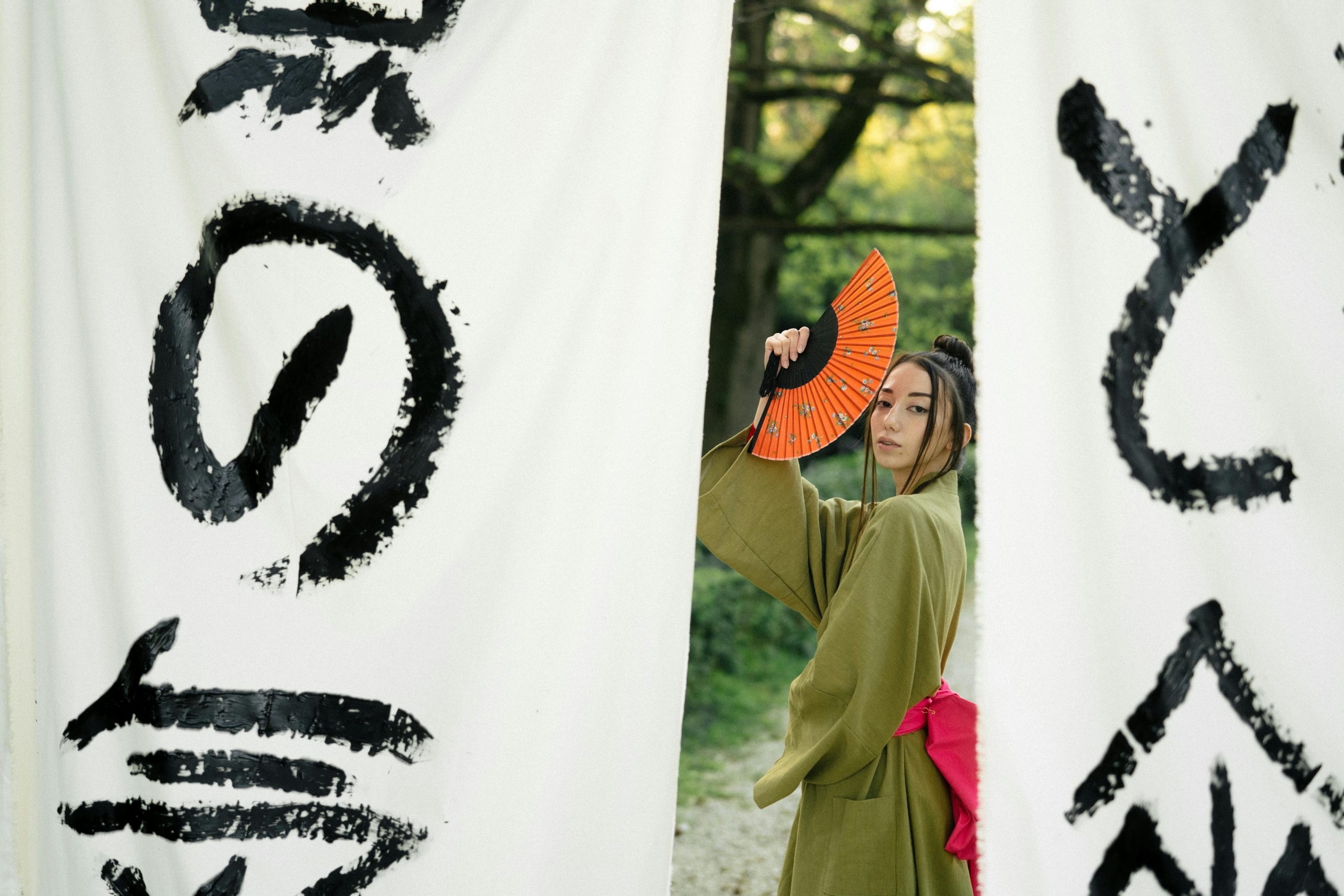
Understanding Draping Fabric
Draping fabric is a method used in fashion design to create garments by manipulating fabric on a dress form or mannequin. This technique is often associated with high-end couture fashion, where each garment is made to measure and tailored to fit a specific body shape.
The process of draping begins by first choosing the type of fabric to be used. Depending on the desired outcome, designers may opt for lightweight fabrics such as silk, chiffon, or organza, or go for stiffer fabrics like taffeta or brocade for a more structured look. Once the fabric is selected, it is then draped onto a dress form and secured in place with pins.
The key to successful draping is to understand the natural fall and drape of the fabric. Each fabric has its own unique characteristics, and by manipulating it on the dress form, designers can achieve different effects and silhouettes.
The Process of Draping Fabric
1. Creating a muslin prototype
Before draping the final fabric, designers first create a prototype or muslin to test the design and fit it to perfection. The muslin is a plain cotton fabric that allows designers to make necessary adjustments without wasting expensive material. This step is essential to ensure that the final garment will fit perfectly on the client.
2. Begin draping the fabric
With the muslin prototype ready, designers then start draping the final fabric onto the dress form. This process involves carefully positioning the fabric on the dress form and manipulating it to fit the desired design. This can be done by folding, pleating, tucking, and pinning the fabric until the desired effect is achieved.
3. Add structure and support
Once the basic shape of the garment is achieved, designers add structure and support to the design by adding boning, interfacing, and other materials. This helps to maintain the shape of the garment and ensures a perfect fit.
4. Make necessary adjustments
Throughout the process of draping, designers continually make adjustments to ensure that the garment fits perfectly on the dress form. This includes adding or reducing volume, adjusting hemlines, or altering the placement of the fabric to enhance the overall look of the design.
5. Transfer the drape onto a paper pattern
Once the garment is draped to perfection, a paper pattern is created by tracing the draped fabric onto paper. This pattern will serve as a guide for cutting and sewing the final garment.
The Mastery of Draping Fabric
Mastery of draping fabric is a skill that takes years to perfect. It requires a deep understanding of fabric and its characteristics, as well as a keen eye for detail and an innate sense of creativity. The draping process can be a lengthy one, with countless hours spent adjusting and perfecting every detail of the garment. However, the end result is a unique and elegant piece of clothing that fits and flatters the body like no other.
Designers who have mastered the art of draping fabric are highly sought after in the fashion industry, and their creations are revered for their unparalleled fit and design. From evening gowns to wedding dresses, draping fabric adds an element of luxury and sophistication to any garment, making it the preferred technique for upscale fashion houses and designers.
Conclusion
The art of draping fabric is a centuries-old technique that continues to be a crucial aspect of fashion design. It gives designers the freedom to create unique, one-of-a-kind garments that showcase the beauty of the human body. The process of draping fabric is a labor of love, and the end result is a garment that is both elegant and timeless.
So the next time you put on a stunning evening gown and wonder how it fits you like a glove, remember that it is all thanks to the intricate art of draping fabric.