
Exploring The Aesthetic Of Retro Futurism In Modern Design
In recent years, the aesthetic of retro futurism has become a popular trend in modern design. This unique style combines elements of nostalgia and imagination, creating a sense of wonder and curiosity in its viewers. From fashion to interior design, retro futurism has made its mark in various industries. But what exactly is retro futurism and how does it influence modern design? In this article, we will explore the origins and characteristics of retro futurism and how it has evolved to shape our present.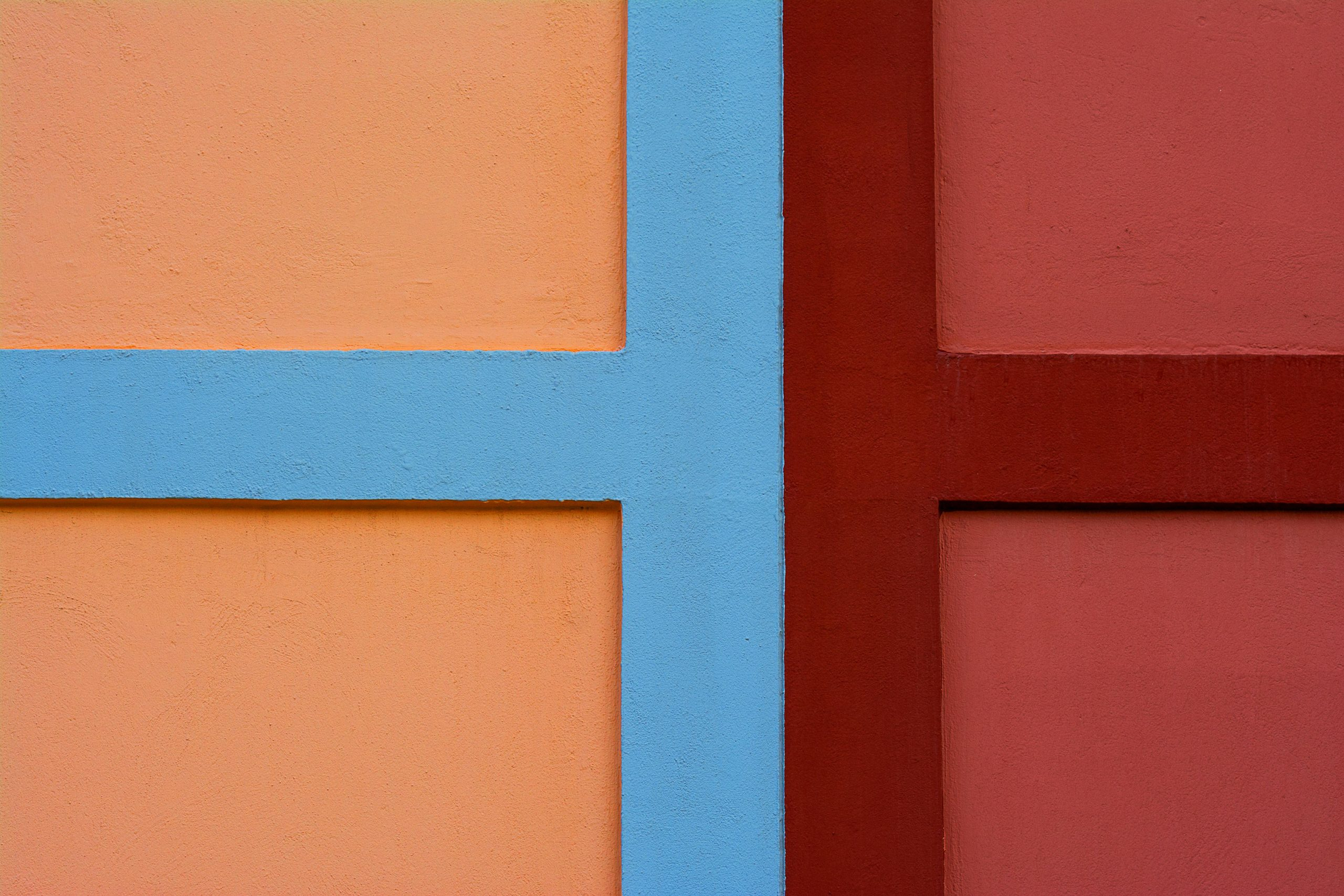
The Origins of Retro Futurism
The term “retro futurism” was first coined in the 1980s to describe the design style that envisioned the future through the lens of the past. However, its roots can be traced back to the 1920s and 1930s, during the height of the Art Deco movement. This period saw a fascination with technological advancements and a belief that the future would be filled with sleek, streamlined designs.
After World War II, this fascination with the future intensified, especially in America. The post-war era was marked by rapid technological advancements in space exploration, which inspired a new sense of optimism and progress. This was reflected in the design of everyday objects, from cars to household appliances, which embraced the idea of futuristic living.
Characteristics of Retro Futurism
At its core, retro futurism is about the imaginative reinterpretation of the future. It takes inspiration from the past and infuses it with a modern twist, creating a sense of nostalgia and wonder. The following are some key characteristics of retro futurism in modern design:
1. Use of Bold Colors and Geometric Shapes
Retro futurism is characterized by bold and vibrant colors such as neon greens, deep blues, and bright oranges. These colors are often paired with geometric shapes, creating a sense of movement and dynamism. This combination is a nod to the streamlined and futuristic designs of the past.
2. Incorporation of Vintage Elements
To fully capture the retro aesthetic, designers often incorporate vintage elements in their work. This can include retro fonts, old advertisements, and outdated technology like cassette tapes and record players. By mixing these elements with modern design, a unique and nostalgic look is created.
3. Emphasis on Technology and Progress
As mentioned earlier, retro futurism is rooted in the fascination with technological progress and the belief in a bright future. Therefore, it is not surprising that technology plays a significant role in this design style. Futuristic gadgets, robots, and spaceships are common themes in retro futurist designs.
The Evolution of Retro Futurism in Modern Design
While its origins can be traced back to the 1920s and 1930s, retro futurism has evolved over the years to adapt to the changing times. In the 1960s and 1970s, for example, it took on a more psychedelic and countercultural look. In the 1980s and 1990s, it was heavily influenced by sci-fi movies and video games, resulting in a more futuristic and technological aesthetic.
Today, retro futurism continues to influence modern design in various forms. From fashion to interior design, elements of this style can be seen everywhere. It has even made its way into pop culture, with some musicians, filmmakers, and artists adopting this aesthetic in their work.
The Future of Retro Futurism
As with any design style, it is difficult to predict what the future holds for retro futurism. However, one thing is certain – it will continue to inspire and influence modern design. Its ability to blend nostalgia with imagination and create a sense of wonder and curiosity in its viewers will ensure that retro futurism remains a relevant and timeless trend.
In conclusion, the aesthetic of retro futurism has come a long way since its inception. From its origins in the 1920s to its current impact on modern design, retro futurism continues to fascinate and captivate us. Its ability to reimagine the past and envision the future makes it a unique and intriguing style that will always have a place in the world of design.