Why Public Speaking Skills Should Be Taught Early On
Public speaking is a necessary skill in today’s world. Whether you’re a student, a professional, or a stay-at-home parent, the ability to effectively communicate in front of an audience is crucial. But despite its importance, public speaking is not commonly taught in schools or emphasized in early education. This is a missed opportunity, as the benefits of developing public speaking skills at a young age are numerous. In this article, we will explore why public speaking skills should be taught early on and the impact it can have on a person’s personal and professional growth.
The Importance of Public Speaking Skills
The ability to speak confidently in front of an audience is a valuable skill that enables individuals to express their thoughts and ideas clearly and effectively. This is particularly important in professional settings, where effective communication is essential for success. Public speaking also plays a crucial role in personal growth, as it allows individuals to connect with others, share their experiences, and build their self-confidence.
Developing Communication Skills
Public speaking is a form of communication that involves not only speaking, but also listening, understanding, and responding to others. This helps individuals learn how to articulate their thoughts and ideas in a clear and concise manner, while also being able to understand and respond to others’ perspectives. These skills are not only valuable in public speaking, but in all forms of communication, making it a vital skill to develop early on in life.
Boosting Self-Confidence
Many people experience anxiety or fear when speaking in public, which can hold them back from expressing themselves or pursuing opportunities. By teaching public speaking skills at a young age, children can learn to overcome these fears and build their self-confidence. As they become more comfortable speaking in front of others, they will also become more confident in themselves and their abilities.
The Benefits of Early Education in Public Speaking
It is never too early to start developing public speaking skills. In fact, introducing public speaking in early education can have numerous long-term benefits for children. Here are a few examples:
Better Academic Performance
Public speaking involves research, organization, and critical thinking – all skills that are necessary for academic success. By teaching public speaking in schools, children can develop these skills at an early age, which will benefit them throughout their academic journey.
Effective Communication in Life
Public speaking is not just limited to formal presentations. The skills acquired through public speaking – such as effective communication, active listening, and understanding different perspectives – are important in all aspects of life, from personal relationships to professional interactions.
Preparing for Future Careers
A world-renowned public speaking coach, Dale Carnegie, once said, “The ability to express an idea is well-nigh as important as the idea itself.” This statement still rings true today, as effective communication skills are highly sought after in the job market. By teaching public speaking early on, children can gain a competitive edge and be better prepared for their future careers.
Incorporating Public Speaking in Early Education
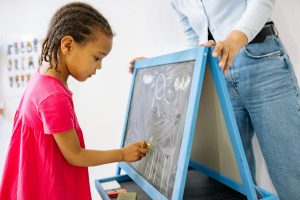
In order to reap the benefits of early education in public speaking, it is important to incorporate it into the curriculum. This can be done through various activities, such as class presentations, debates, and impromptu speaking exercises. Technology can also be utilized to provide virtual public speaking opportunities and enhance the learning experience.
Moreover, it is important to create a supportive and safe environment for students to practice their public speaking skills. Encouraging and providing constructive feedback can help students improve and build their confidence.
Conclusion
In conclusion, public speaking is a crucial skill that should be taught early on in life. It not only benefits individuals in their personal and professional growth but also prepares them for the challenges and opportunities that come their way. By incorporating public speaking in early education, we can equip children with the necessary skills to thrive in their futures and become effective communicators in all aspects of life.