
Mastering The Art Of Storytelling To Enhance Classroom Engagement
Welcome to the world of storytelling! It’s an art form as old as time itself, and one that has the power to captivate and engage an audience like no other. Stories have been used for centuries to convey important lessons, entertain, and connect people. Whether it’s around the campfire, in the pages of a book, or on the big screen, stories have a way of pulling us in and keeping us enthralled until the very end. Now, imagine harnessing this same power in your classroom to enhance engagement and learning among your students. As an educator, mastering the art of storytelling can be a valuable tool in your arsenal, and in this article, we will explore how you can achieve just that.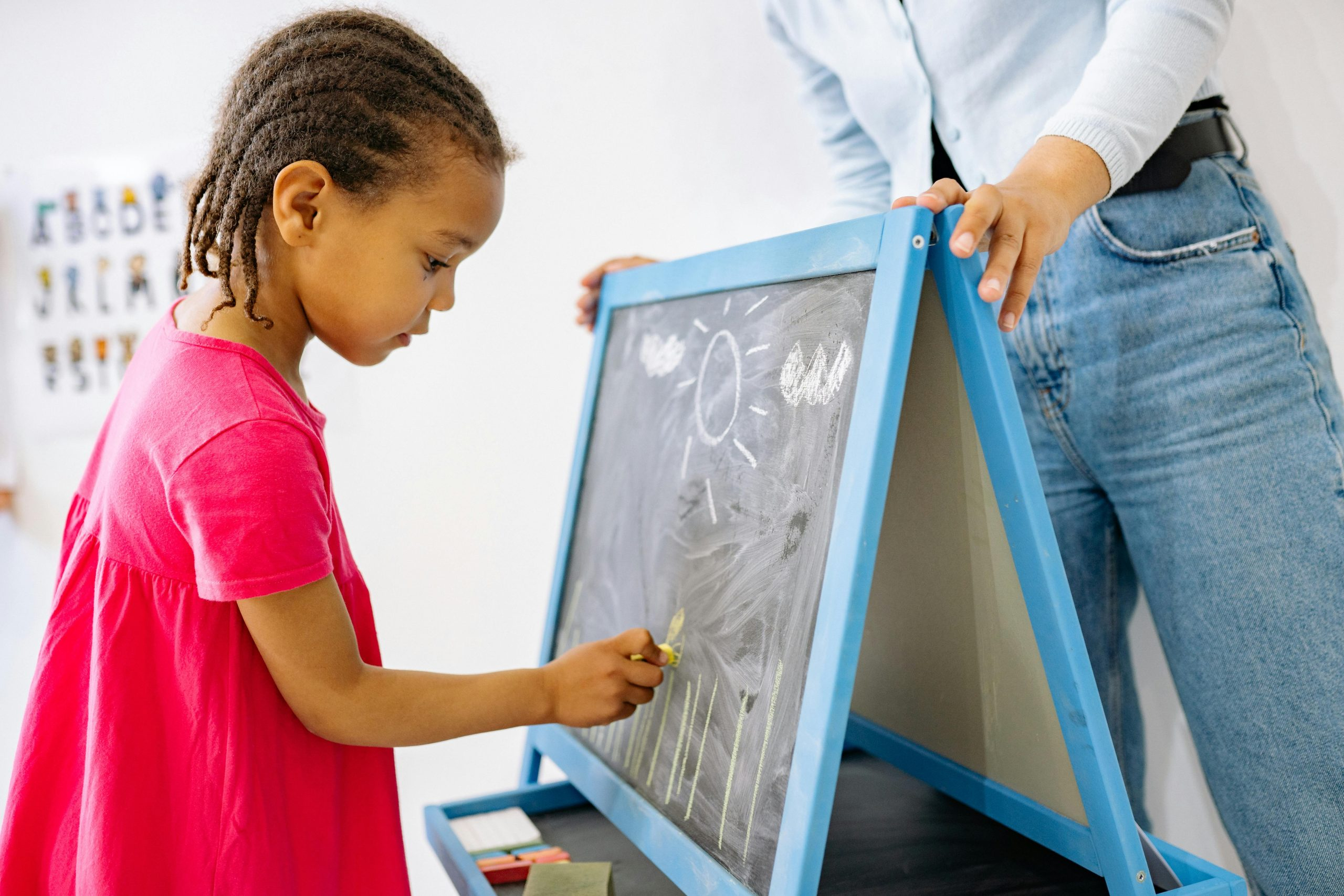
The Importance of Storytelling in the Classroom
Stories have a unique ability to make learning fun, interesting, and memorable for students. They have been proven to increase attention, focus, and retention among students of all ages. Instead of simply being told information, students are taken on a journey through a story that allows them to experience and make connections with the lesson content. This engages their emotions, imagination, and critical thinking skills, making the learning process more meaningful and effective.
Developing Communication Skills
Being able to effectively communicate is a vital skill, not just in the classroom but in all aspects of life. Through storytelling, students learn how to express themselves, use descriptive language, and captivate an audience. They also learn how to listen attentively and respond thoughtfully, which are key components of effective communication. As students become more confident and skilled storytellers, their overall communication skills improve, setting them up for success in the future.
Fostering Creativity and Imagination
One of the biggest benefits of incorporating storytelling into the classroom is its ability to spark creativity and imagination in students. Stories take them on a journey to new and exciting worlds, characters, and scenarios, allowing them to tap into their own creative minds. This not only enhances their writing and storytelling abilities but also encourages them to think outside the box and come up with innovative solutions to problems.
Tips for Mastering the Art of Storytelling in the Classroom
Know Your Audience
As an educator, you know that every classroom is filled with diverse learners, each with their own unique learning styles, interests, and backgrounds. When crafting a story for your students, it’s essential to consider these factors and tailor your storytelling accordingly. This not only helps to keep all students engaged but also makes the lesson more relatable and meaningful for them.
Choose Relevant and Interesting Topics
To really capture your students’ attention, it’s crucial to choose topics that are relevant and interesting to them. This could include real-life experiences, popular culture, or even topics related to the curriculum. By choosing a subject that resonates with your students, you are more likely to pique their interest and keep them engaged throughout the storytelling process.
Incorporate Interactive Elements
To truly enhance classroom engagement, it’s important to make storytelling interactive and involve your students in the process. This could include asking thought-provoking questions, encouraging them to act out parts of the story, or even incorporating props or visuals. Interactive elements not only make storytelling more engaging but also allow for a deeper understanding of the lesson content.
Be Enthusiastic and Animated
As the storyteller, it’s essential to bring energy and enthusiasm to the table. Be animated, use different voices and facial expressions, and bring the story to life for your students. This will make the experience more enjoyable and captivating for them, and they are likely to feed off your energy and become immersed in the story.
Practice Makes Perfect
Becoming a master storyteller takes practice, so don’t be discouraged if your first few attempts don’t go as smoothly as you’d hoped. Keep practicing, take note of what works and what doesn’t, and adapt your approach as needed. As you become more confident and skilled in your storytelling abilities, you’ll see the benefits in the engagement and learning of your students.
In Conclusion
Incorporating storytelling into the classroom is a powerful way to enhance engagement and learning among students. With the right techniques and approach, you can become a master storyteller and open up a world of possibilities for your students. So go ahead and unleash your creativity and passion for storytelling and watch your students become engrossed in the lessons like never before!