How To Teach Conflict Resolution Skills To Young Students
Conflict resolution is an essential skill that students must develop in order to thrive in both school and social environments. As educators, it is our responsibility to teach young students how to effectively manage and resolve conflicts in a peaceful and respectful manner. Not only does this skill promote a positive and inclusive learning environment, but it also prepares students for future relationships and interactions. In this article, we will discuss how to teach conflict resolution skills to young students and equip them with the tools they need to navigate conflicts in a constructive way.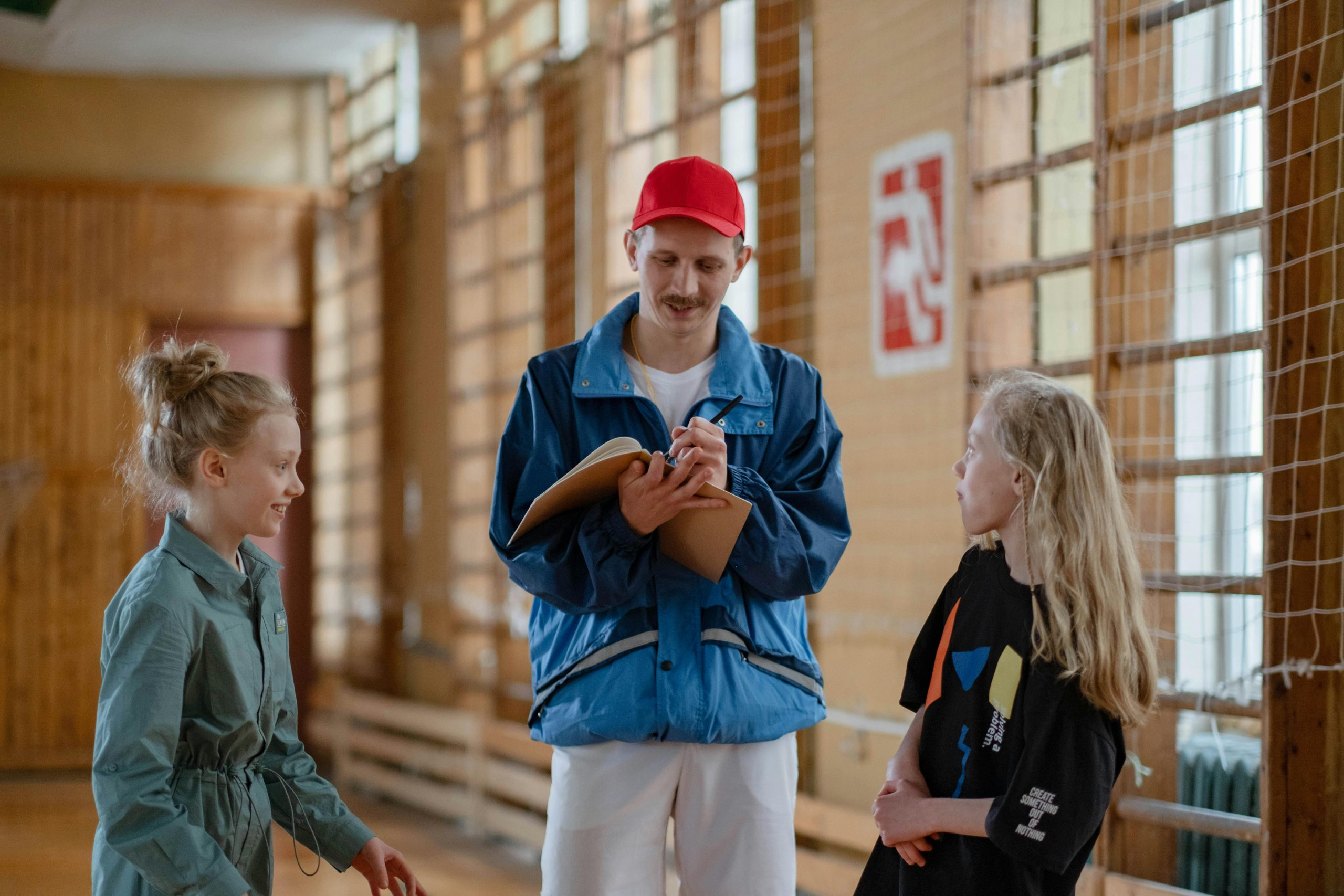
The Importance of Teaching Conflict Resolution Skills
Before we dive into specific strategies for teaching conflict resolution, it is essential to understand the importance of this skill. Learning how to resolve conflicts is crucial for young students as it helps them to:
Develop Social and Emotional Skills
Conflict resolution involves empathy and understanding, two key components of social and emotional intelligence. By teaching students how to understand others’ perspectives and express their own feelings in a respectful way, we are fostering their emotional maturity and social skills. These skills not only help them in the classroom but also in their relationships outside of school.
Promote a Positive Learning Environment
Conflict is a natural part of human interaction, and it is bound to happen in a classroom. However, when students are equipped with conflict resolution skills, they are more likely to resolve conflicts peacefully, leading to a more positive and inclusive learning environment. This, in turn, enhances students’ well-being and academic performance.
Prepare for Future Relationships and Interactions
As students grow and enter adulthood, they will face conflicts in various areas of their lives, including the workplace and personal relationships. By teaching conflict resolution skills at a young age, we are giving students the tools they need to manage conflicts in a healthy and productive manner.
Effective Strategies for Teaching Conflict Resolution Skills
Modeling
As the saying goes, “actions speak louder than words.” One of the most effective ways to teach conflict resolution skills is to model them ourselves. When conflicts arise in the classroom, make an effort to stay calm, listen to both sides of the story, and work towards finding a resolution peacefully. Not only does this teach students how to handle conflicts, but it also shows them the importance of these skills in real-life situations.
Communication Techniques
Effective communication is a crucial component of conflict resolution. Teach students how to express their feelings using “I” statements, listen actively, and practice conflict de-escalation techniques such as deep breathing and counting to ten. Encourage students to communicate respectfully and empathetically, even when they disagree with someone.
Problem-Solving Strategies
Teaching students problem-solving strategies can help them navigate conflicts more effectively. One useful strategy is the “win-win” approach, where both parties work together to find a resolution that meets everyone’s needs. Another method is brainstorming, where students come up with possible solutions and discuss their pros and cons. Encouraging creativity and critical thinking skills in finding solutions will help students build their conflict resolution toolkit.
Empathy and Perspective-Taking
In conflict resolution, it is crucial for students to understand both their own and others’ perspectives. Practicing empathy and perspective-taking can help students see the situation from a different point of view and foster understanding and respect. Use activities such as role-playing and discussions to help students practice empathy and perspective-taking.
Incorporating Conflict Resolution in the Classroom
Aside from teaching strategies explicitly, there are many ways to incorporate conflict resolution in everyday classroom practices. These include:
Establishing Ground Rules
Set clear and specific expectations for behavior and conflict resolution in the classroom. Review these rules frequently and use them as a guide when conflicts arise. This will help students understand what is expected of them and how to handle conflicts in a peaceful manner.
Encouraging Collaboration and Communication
Promote a classroom culture where students collaborate and communicate with each other. By fostering positive relationships and encouraging open communication, students are more likely to resolve conflicts constructively and maintain a respectful learning environment.
Integrating Conflict Resolution in Lessons
Use real-life scenarios or examples in lessons to teach conflict resolution. For example, when discussing a historical event, ask students how conflicts could have been resolved differently. This helps students see the relevance and importance of these skills in everyday situations.
Conclusion
In conclusion, teaching conflict resolution skills to young students goes beyond just resolving conflicts in the classroom. It equips students with the necessary skills to navigate relationships and conflicts in a healthy and constructive way. By incorporating these strategies and promoting a positive classroom culture, we can foster emotional maturity, social skills, and prepare our students for future interactions. As educators, it is our responsibility to help students develop these crucial life skills, which will benefit them both in and out of the classroom.