
How To Identify And Prevent Bullying In Educational Settings
Welcome to the world of education, where learning and growth occur every day. However, in this world, there is also the unfortunate occurrence of bullying. Bullying in educational settings has been a problem for decades, and its impact on students is far-reaching. Not only does it affect their physical and mental well-being, but it also hinders their ability to learn and thrive in school. As educators, it is our responsibility to identify and prevent bullying in our schools. In this article, we will explore effective strategies and techniques for identifying and preventing bullying in educational settings.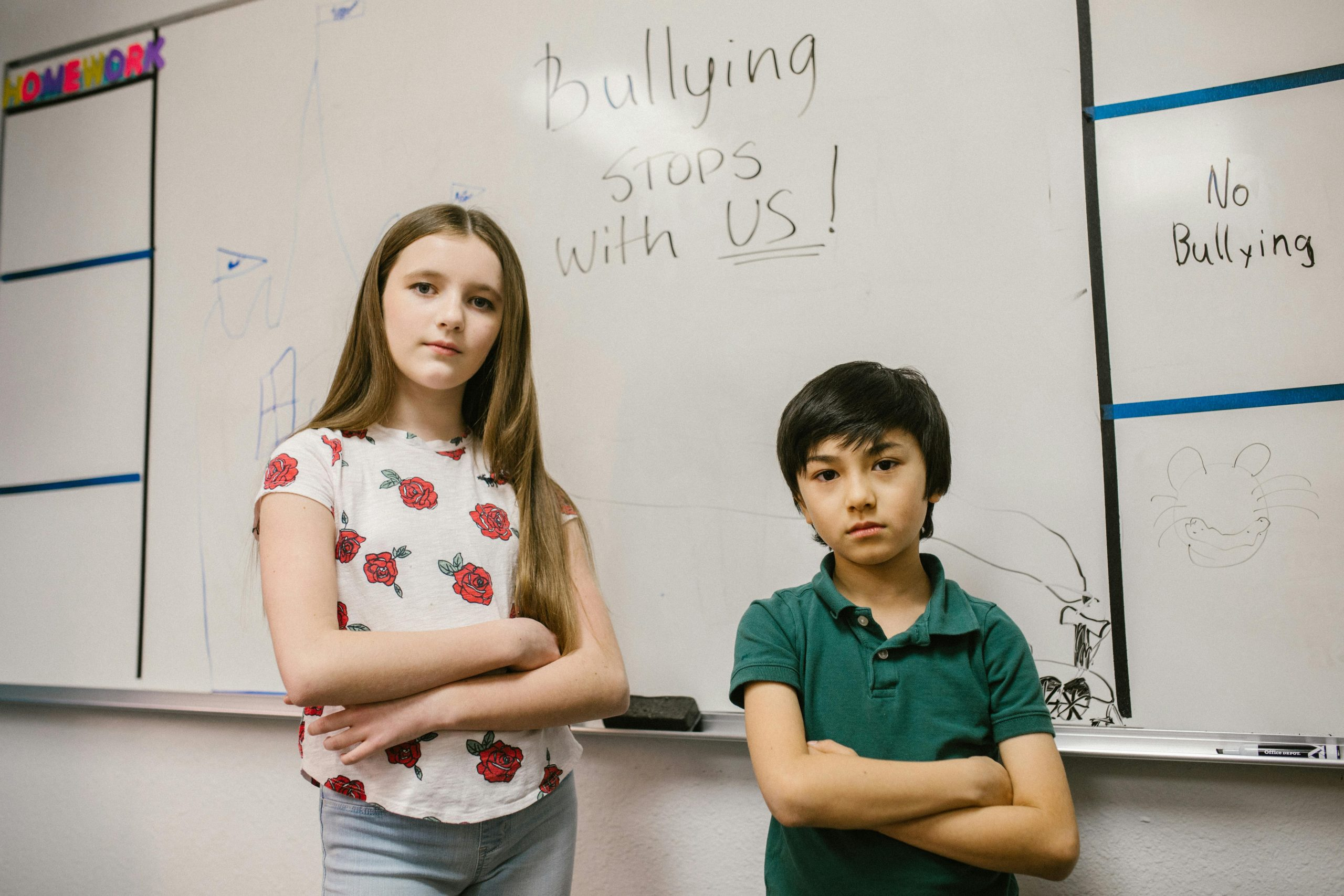
What is Bullying?
Before we dive into the prevention strategies, it is crucial to understand what bullying is. Bullying can be described as a repeated aggressive behavior that involves an imbalance of power. It can take on various forms, such as physical, verbal, emotional, or cyberbullying. An imbalance of power refers to a situation where one person has more control over the other, resulting in the target of bullying feeling helpless and unable to defend themselves.
The Impact of Bullying on Students
Bullying can have severe consequences on students, both immediate and long-term. Victims of bullying may experience physical and emotional distress, leading to a decline in their academic performance. They may also develop mental health issues such as anxiety, depression, and low self-esteem. Furthermore, students who are exposed to bullying may feel excluded and alienated, leading to social isolation and ultimately impacting their ability to form and maintain relationships.
How to Identify Bullying in Educational Settings
Identifying bullying in educational settings can be a challenging task. The following are some warning signs that may indicate a student is a victim of bullying:
Physical Signs
Unexplained bruises, scratches, or injuries
Torn or damaged clothing
Frequent complaints of headaches or stomachaches
Emotional and Behavioral Signs
Unusual changes in behavior, such as becoming more withdrawn or aggressive
Decline in academic performance
Increased absences from school without a valid reason
Changes in eating or sleeping habits
Loss of interest in activities they used to enjoy
Social Signs
Losing friends or being excluded from social events
Showing reluctance or fear about going to school or riding the bus
Being constantly teased or picked on by other students
If you notice any of these signs in a student, it is crucial to take action immediately.
Strategies for Preventing Bullying in Educational Settings
Prevention is always better than cure, and as educators, we must take proactive measures to prevent bullying in our schools. Here are some effective strategies to prevent bullying in educational settings:
Educate Students and Staff
One of the best ways to prevent bullying is to educate students and staff about its harmful effects. Conduct regular workshops and presentations about bullying. Use real-life scenarios to help students understand how bullying affects others and teach them how to stand up to bullies. Additionally, provide training to staff on identifying bullying and how to handle it effectively.
Create a Safe and Inclusive School Environment
Creating a safe and inclusive school environment is crucial for preventing bullying. Schools can achieve this by implementing strict anti-bullying policies and enforcing consequences for bullies. Encourage students to form inclusive friendships and promote diversity and acceptance within the school community.
Involve Parents and Caregivers
Parents and caregivers play an essential role in preventing bullying. Keep open communication with parents and inform them if their child is involved in bullying. Collaborate with parents to come up with a plan to address and prevent future incidents of bullying.
Provide Support for Victims and Bullies
It is essential to provide support for both victims and bullies. Victims of bullying may need counseling and support to cope with the trauma they have experienced. On the other hand, bullies may also need intervention to address any underlying issues that may be causing their aggressive behavior.
Conclusion
Bullying in educational settings is a serious issue that requires immediate attention. As educators, we have a responsibility to create a safe and inclusive learning environment for our students. By educating students and staff, creating a welcoming school environment, involving parents, and providing support for victims and bullies, we can prevent bullying and create a positive learning environment for all students.
Remember, every student deserves to feel safe and supported in their learning environment. Let’s work together to identify and prevent bullying in educational settings and create a better future for our students.