
How To Encourage Independent Reading Habits Outside Of School
For many parents and educators, there is no denying the importance of encouraging independent reading habits in children. Aside from the obvious benefits of improved literacy and vocabulary, independent reading also fosters imagination, critical thinking skills, and personal growth. While schools play a significant role in promoting reading, it is essential to encourage this habit outside of the classroom as well. In this article, we will explore some effective strategies on how to encourage independent reading habits outside of school. So let’s dive in!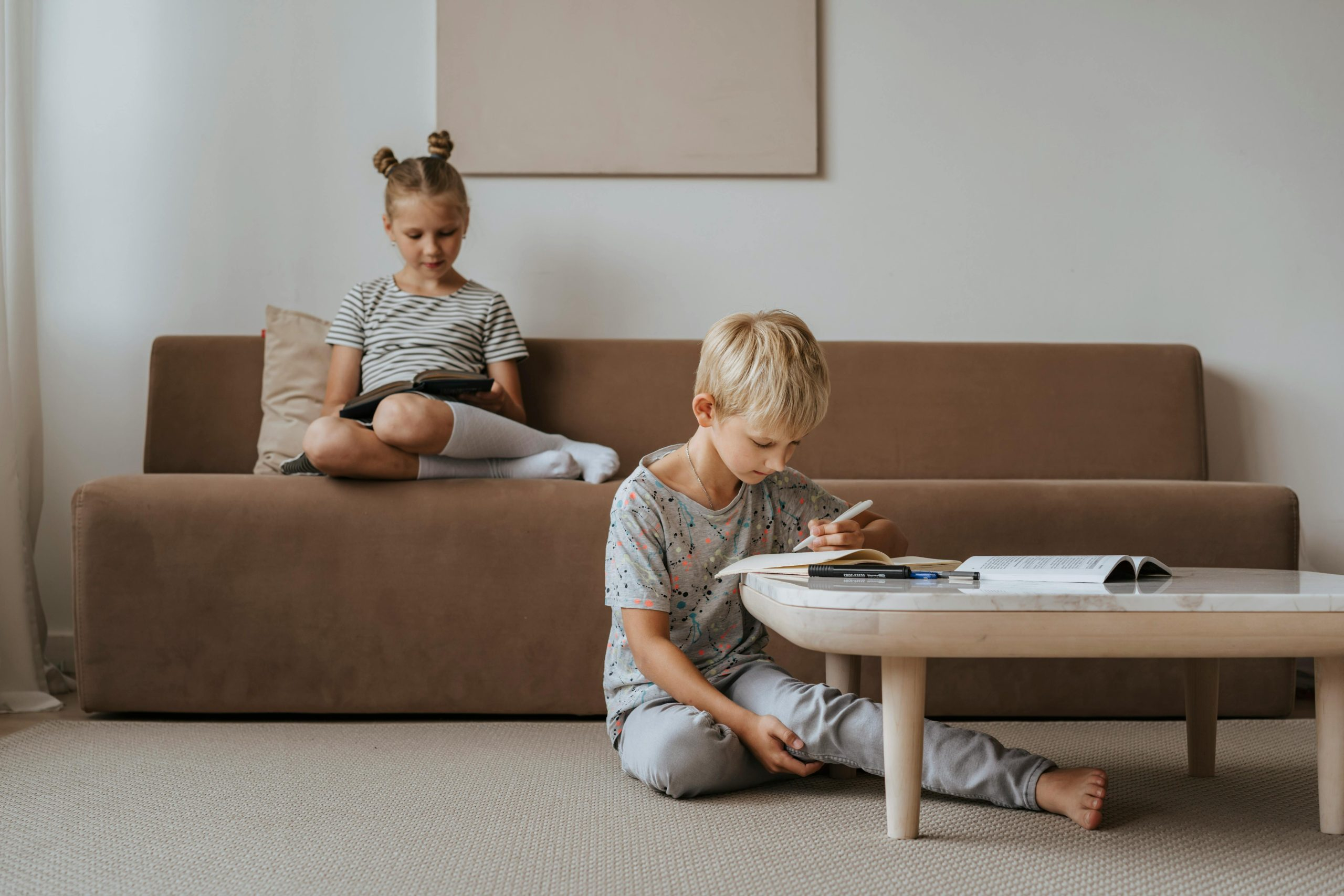
The Impact of Independent Reading
Before we delve into the specific ways to encourage independent reading, it is essential to understand the impact it has on a child’s development. According to research, children who read independently tend to have better academic performance, improved attention spans, and higher emotional intelligence. Independent readers are also more likely to have an active imagination, which allows them to think creatively and solve problems effectively. Moreover, reading on their own time helps children to develop a love for books and learning, which translates into lifelong benefits.
Creating a Reading-Friendly Environment
Creating a conducive environment for reading is crucial in encouraging independent reading habits. Start by setting up a designated reading area in your home, whether it is a cozy corner or a bean bag in the living room. Make sure the space is quiet, well-lit, and free from distractions like television or gadgets. Having a small bookshelf with a variety of books and magazines that cater to your child’s interests is also a good idea. This way, your child will have easy access to reading material any time they feel like picking up a book.
Lead by Example
Children tend to mimic their parents’ behavior, so it’s vital to model good reading habits. Show interest in reading by talking about the books you’re reading or discussing what you read in the newspaper. Make a habit of reading in the presence of your child; this can be done together or even in silence. Children are more likely to develop a love for reading when they see their parents constantly engaged in it.
Incorporate Reading into Daily Routines
Establishing a reading routine can make all the difference when it comes to developing independent reading habits. Encourage your child to read at least 30 minutes every day, and make it a habit to read before bedtime. You could also incorporate reading into everyday activities like mealtime, where you could discuss and learn new things from a cookbook or read interesting facts from a magazine. Doing this regularly helps children understand that reading is not just reserved for school work but can be a fun and essential part of daily life.
Get Them Excited About Reading
Inspiring excitement in reading is key to developing independent readers. One way to do this is by introducing different types of reading material like graphic novels, magazines, or even e-books. Choose books that your child will find interesting and relevant to their age and reading level. Allow them to select and explore books from the library or bookstore, allowing them to have a say in what they want to read. You could also challenge your child to read a variety of genres, setting small goals and rewarding them for meeting them.
Make Reading a Social Activity
Reading does not always have to be a solitary activity. Encourage your child to discuss, debate, and share their reading experience with friends and family. Join a local book club or form one with friends, where your child can exchange books and thoughts on what they’ve read. You could also involve your child in volunteering at the local library or holding a book drive to collect books for less privileged children. This can instill the value of reading and giving back to the community.
In Conclusion
Developing independent reading habits outside of school requires a combination of creating a suitable environment, setting routines, positive role modeling, and making reading a fun and interactive activity. Be patient, and encourage your child every step of the way. It may take some time for them to develop a habit, but once they do, it will give them a lifelong love for reading, and the benefits are immeasurable.