
How To Design Classroom Spaces That Spark Creative Thinking
Classrooms are often thought of as traditional, structured settings where students sit at desks and listen to their teacher talk for hours on end. However, research has shown that this type of environment can actually hinder creativity and limit the potential for learning. As educators, it is our responsibility to create a space that fosters innovation and sparks creative thinking in our students. In this article, we will explore the best practices and strategies for designing classroom spaces that inspire imagination, encourage collaboration, and ultimately promote high levels of engagement and learning.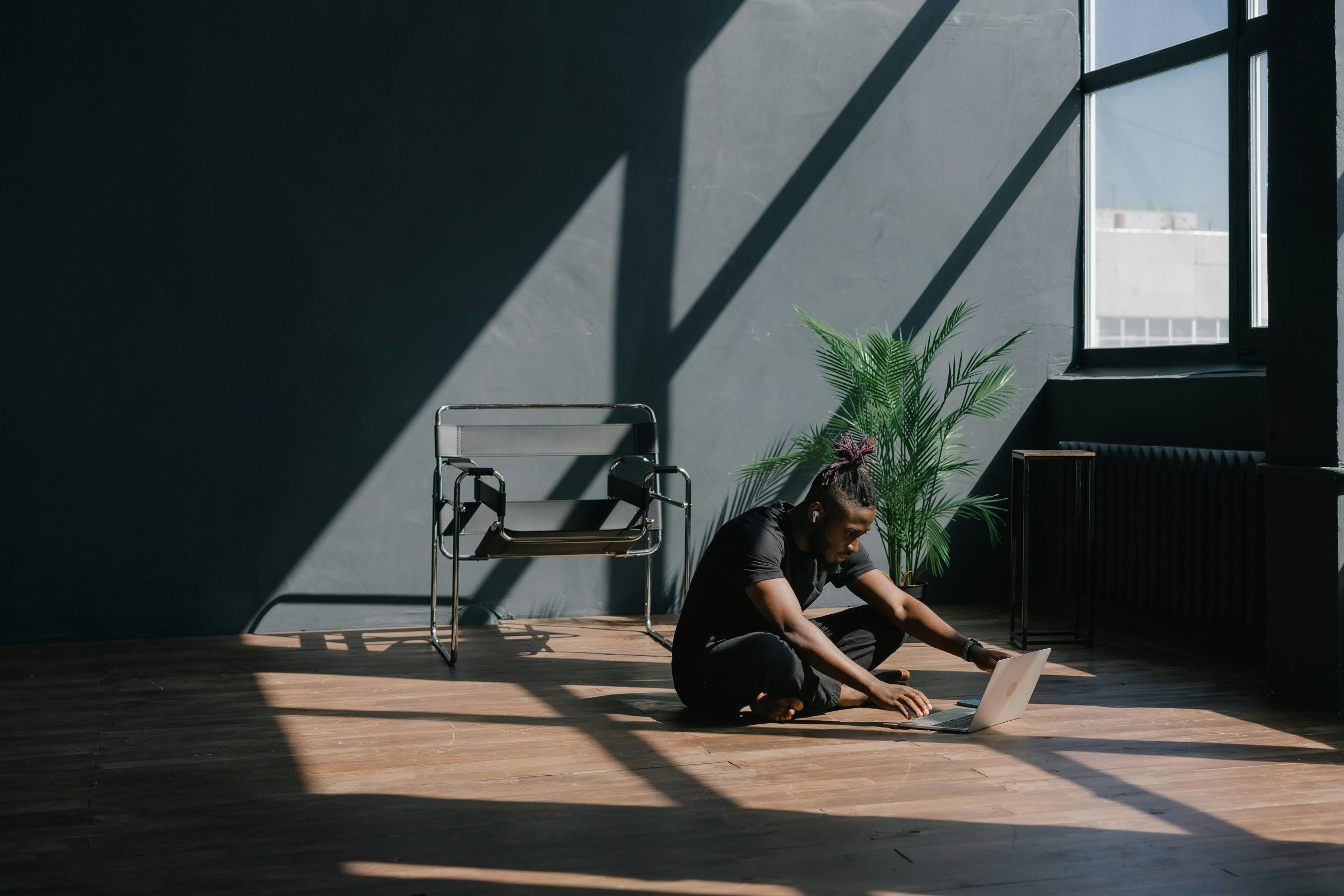
The Importance of Creativity in the Classroom
Creativity is not just limited to art classrooms or music classes. It is a crucial and highly valued skill that is relevant in all areas of society, from business to technology. In today’s fast-paced and rapidly evolving world, the ability to think creatively is essential for success. It allows individuals to come up with new and innovative ideas, solve complex problems, and adapt to changing environments.
By fostering creativity in the classroom, we are not only preparing our students for future success but also providing them with the tools to think critically and approach challenges in unique ways. Creativity is also closely linked to motivation and engagement. When students are engaged and motivated, they are more likely to learn and retain information. As teachers, it is our responsibility to create a classroom environment that supports and encourages creativity.
The Elements of a Creative Classroom Space
When designing a classroom space to promote creativity, it is essential to consider several elements that will facilitate and encourage innovative thinking. These elements include the physical layout of the room, the use of color and lighting, the availability of materials and supplies, and the integration of technology.
Flexible Seating Arrangements
A traditional classroom setting often consists of rows of desks facing the teacher. However, this arrangement limits collaboration and can feel confining for some students. To promote creativity, consider incorporating flexible seating options such as bean bag chairs, standing desks, or comfortable floor seating. This allows students to choose a seating option that best suits their needs and helps to create a more relaxed and collaborative environment.
Color and Lighting
Studies have shown that color can have a significant impact on mood, behavior, and creativity. Bright, vibrant colors can stimulate the brain and promote creativity, while muted colors can have a calming effect. Consider incorporating pops of color in your classroom decor, such as on the walls, furniture, or even in the supplies and materials. Additionally, natural lighting has been linked to increased creativity and productivity, so try to maximize natural light in your classroom.
Materials and Supplies
A well-stocked classroom with a wide variety of materials and supplies can help students explore and express their creative ideas. Consider having a designated area for art supplies, building materials, and other resources that students can use to bring their ideas to life. Encouraging students to use these materials freely and without fear of judgment can promote a sense of experimentation and risk-taking, both essential components of creativity.
Technology Integration
Technology plays a significant role in our modern world, and integrating it into the classroom can enhance creativity and engagement. Tools such as tablets, computers, and interactive whiteboards can provide students with new ways to express their ideas and collaborate with their peers. It is crucial, however, to use technology in a purposeful and meaningful way, rather than just for the sake of using it.
Classroom Activities to Spark Creativity
In addition to the physical environment, as teachers, we can also incorporate specific activities and strategies to promote creativity in the classroom. Some ideas include:
Brainstorming Sessions
Brainstorming activities allow students to generate ideas without judgment, which can spark creativity and encourage students to think outside the box. Consider incorporating brainstorming sessions at the beginning of a new project or for problem-solving activities.
Collaborative Projects
Collaborative projects allow students to work together, share ideas, and build off of each other’s creativity. This not only facilitates teamwork and communication but also exposes students to different perspectives and approaches, stimulating more creativity.
Visual and Project-Based Assignments
Visual and project-based assignments allow students to express their creativity through various mediums, such as art, music, or technology. These types of assignments also allow for more open-ended and individualized responses, fostering creativity and self-expression.
In Conclusion
Creativity is a vital skill that is essential for success in our rapidly changing world. As educators, we have the opportunity and responsibility to nurture and develop this skill in our students. By designing classroom spaces that promote creativity and incorporating activities and strategies that spark imagination, we can help our students become innovative thinkers and prepare them for future success.
When designing your classroom space, remember to keep the elements discussed in mind, and be open to experimentation and trying new things. By creating an environment that supports and encourages creativity, you are setting your students up for a bright and innovative future.