How To Use Data Analytics For Predicting Housing Market

In today’s fast-paced world, data analytics has become an integral part of decision-making in various industries. The real estate sector is no exception, with housing market predictions being a critical aspect of investment decisions. Gone are the days of relying on mere intuition, market trends, and historical data. With the advent of advanced technology, using data analytics to predict the housing market’s future has become a game-changer for investors, real estate agents, and buyers alike. In this article, we will explore how data analytics is revolutionizing the housing market and how you can leverage it to make informed decisions. 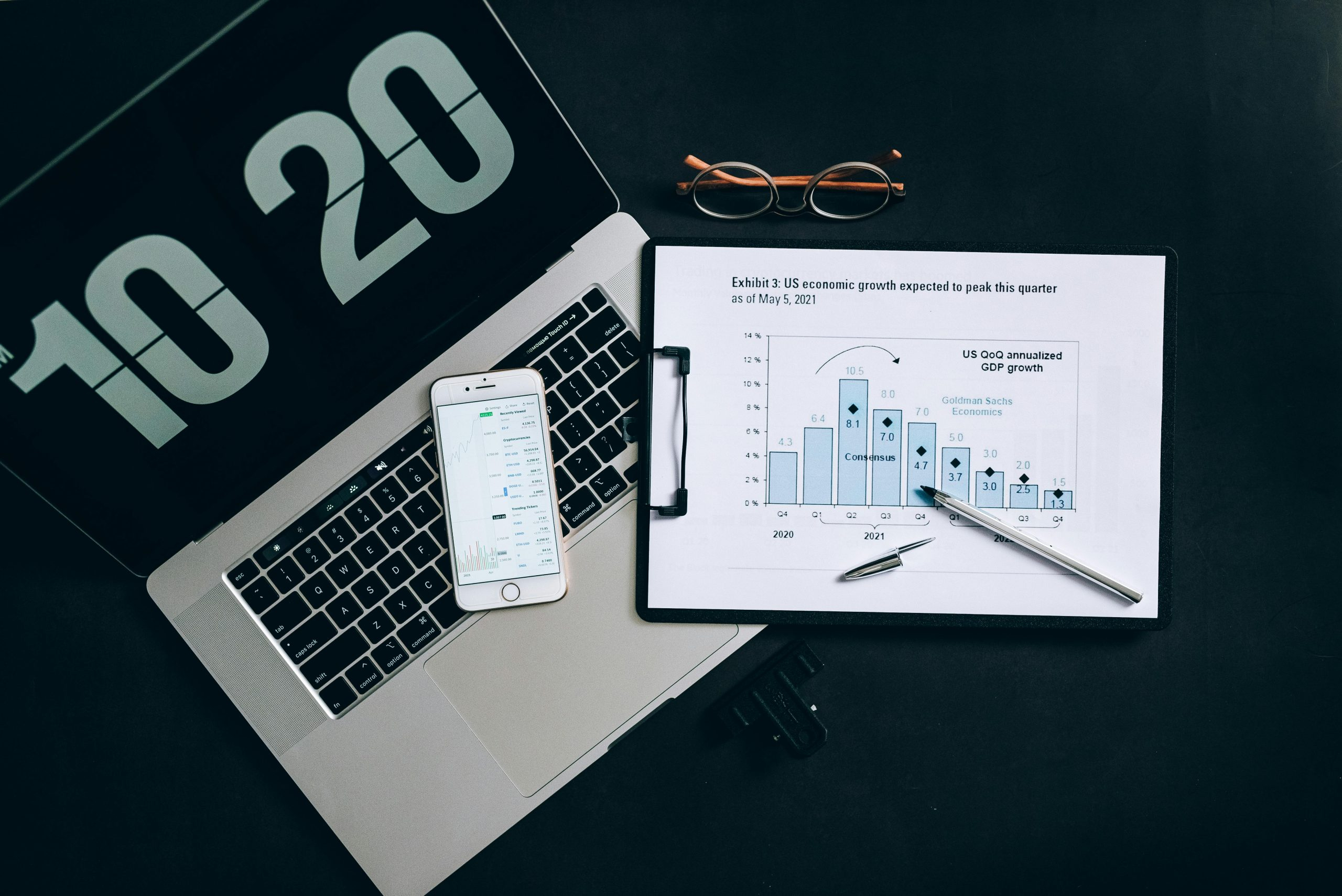
What is Data Analytics?
Data analytics, also known as data analysis, is the process of collecting, cleaning, analyzing, and interpreting vast amounts of data to derive insights and make informed decisions. Data analytics uses various statistical and mathematical techniques, along with machine learning and artificial intelligence, to extract hidden patterns and trends from raw data. These insights can then be used to predict future outcomes, identify inefficiencies, and uncover business insights.
How is Data Analytics Used in the Housing Market?
The housing market is a constantly evolving and highly complex market, involving various factors such as economic conditions, population growth, interest rates, and housing demand. Therefore, making accurate predictions about the market’s future can be challenging without data analytics.
Data analytics is used in the housing market in the following ways:
1. Identifying Market Trends
Data analytics can help investors and real estate professionals identify market trends by analyzing historical data. By understanding the past market trends, they can make informed decisions about future investments, pricing strategies, and demand forecasting.
2. Predicting Housing Demand
Housing demand is a critical aspect of the housing market, as it determines the supply and demand equilibrium and ultimately affects the pricing. Data analytics can help in predicting housing demand by analyzing demographic data, previous demand patterns, and economic indicators. Real estate agents and investors can leverage this information to make accurate predictions about the demand for specific types of properties in different areas.
3. Assessing Property Prices
Property prices are one of the most crucial factors in the housing market, and they can fluctuate significantly depending on various market conditions. Data analytics can help in assessing property prices by analyzing factors such as location, amenities, market trends, and demand. This information can help investors and buyers determine the fair value of a property and negotiate prices effectively.
4. Risk Assessment
Data analytics can also be used to assess the risk involved in investing in a specific property. By analyzing historical data and market trends, data analytics can provide insights into potential risks, such as market volatility, slow growth, and high vacancy rates. This information can help investors make informed decisions and mitigate potential risks.
Best Practices for Using Data Analytics in Predicting Housing Market
To effectively use data analytics for predicting the housing market, here are some best practices to follow:
1. Define Your Goals
Before diving into data analytics, it is crucial to define your goals and objectives clearly. This will help in selecting the right data and analytical methods to achieve your desired outcomes.
2. Use Reliable Data
To get accurate predictions, it is essential to use reliable data from reputable sources. This will ensure that your analysis is based on valid and up-to-date information.
3. Collect and Clean Data Regularly
The quality of your predictions depends on the quality of your data. It is crucial to collect and clean data regularly to ensure that you have the most accurate and relevant data for your analysis.
4. Use Advanced Analytical Techniques
Data analytics involves various techniques, such as regression analysis, time series analysis, and machine learning. It is essential to use advanced analytical techniques to get the most accurate predictions.
5. Continuously Evaluate and Refine Your Predictions
The housing market is constantly changing, and so are the factors influencing it. Therefore, it is crucial to evaluate and refine your predictions regularly to keep up with market changes and maintain accuracy.
Conclusion
Data analytics has transformed the way the housing market operates, providing real estate agents, investors, and buyers with valuable insights to make informed decisions. By following best practices and leveraging advanced data analytics techniques, you can predict the housing market’s future with a higher degree of accuracy, minimize risk, and maximize returns on investments. As data analytics technology continues to evolve, we can expect even more sophisticated and accurate predictions in the housing market, making it an essential tool for anyone involved in the real estate industry.