
The Significance Of Embroidery Techniques Across Different Cultures

There is an old saying that goes, “A picture is worth a thousand words.” But what about a picture that is created with just a needle and thread? The art of embroidery has been around for centuries, used by different cultures as a way to not only adorn clothing and home furnishings, but also to tell stories and represent beliefs. Although embroidery techniques may vary across different cultures, their significance remains the same. In this article, we will explore the importance of embroidery techniques in different cultures and how they have impacted society throughout history.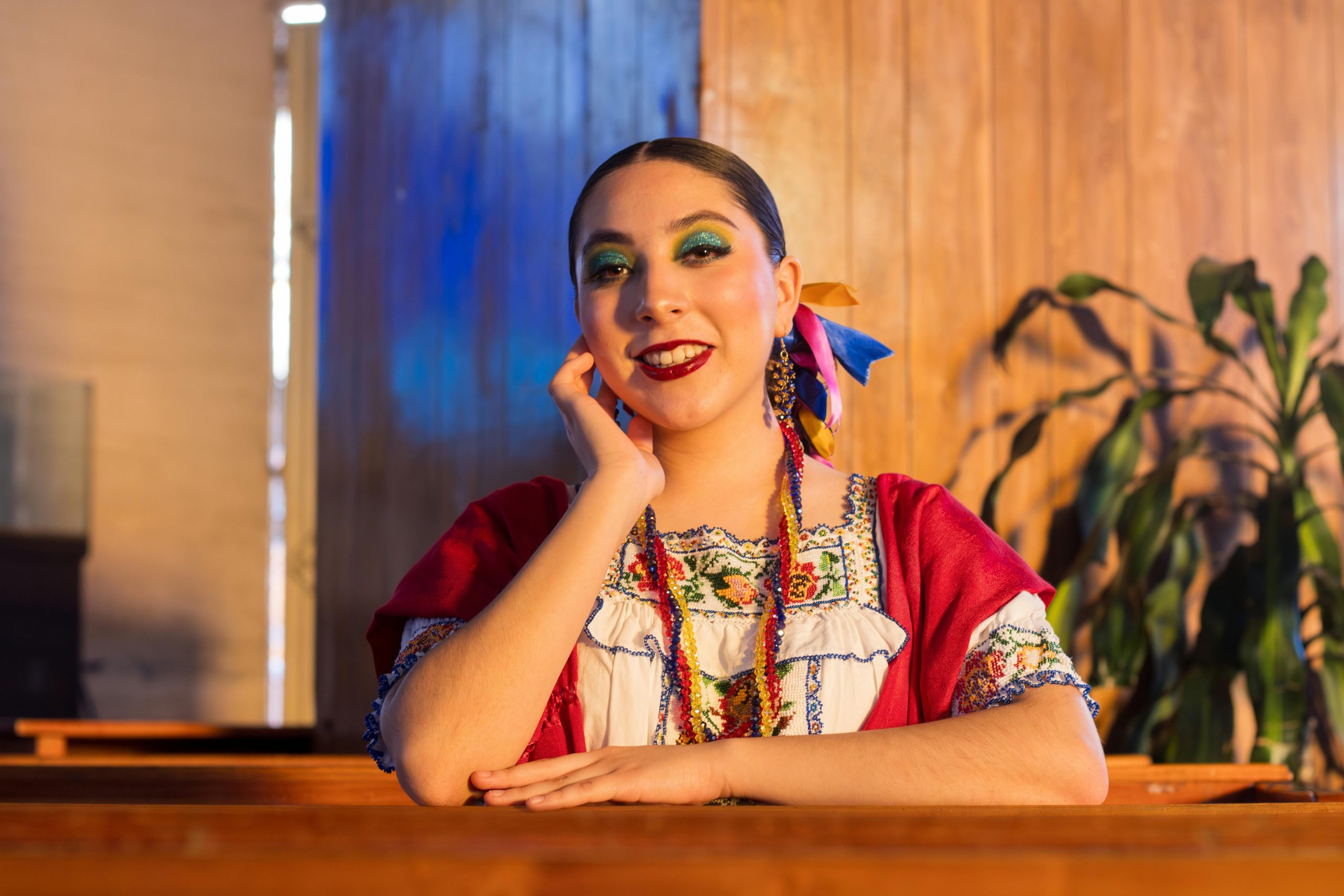
The History of Embroidery
Embroidery is the art of decorating fabric or other materials with needle and thread. It is believed to have originated in ancient China and has been practiced in various forms by civilizations all over the world. The earliest evidence of embroidery can be traced back to the Cro-Magnon period, where skeletal remains of fossilized humans were found with animal hides decorated with small holes made by a bone awl and threaded with sinew.
As civilizations evolved, embroidery techniques became more complex. For example, the ancient Egyptians used gold and silver thread to add intricate designs to their garments, while the Greeks and Romans used embroidery to embellish their clothing with scenes from mythology.
One of the most significant periods for embroidery was during the Middle Ages, where it was a popular art form among the royalty and nobility. In this era, embroidery was not just beautiful but also served as a symbol of wealth and prestige. Embroidered garments were often given as gifts between royal families, and special care was taken to ensure that each stitch was perfect.
The Significance of Embroidery Across Different Cultures
Asian Cultures
A large part of Asian culture revolves around embroidery. In China, embroidery is seen as a way to express not only artistic abilities but also one’s respect for tradition and desire for perfection. Embroidery is also deeply embedded in Japanese culture, where it is used to tell stories and create symbolic images. In India, embroidery is a vital part of the regional textile industry, and each region has its style that reflects its culture and heritage.
In most Asian cultures, embroidery is also considered a form of meditation. The concentration required to create intricate designs can help achieve inner peace and tranquility.
European Cultures
In Europe, embroidery was used to signify social status, especially during the Renaissance period. It was during this time that the art of embroidery was elevated to new heights, with elaborate and intricate designs adorning clothing and household items. The embroidery techniques used in Europe were often influenced by trade and cultural exchanges, resulting in a diverse mix of styles.
Embroidery also played a significant role in traditional European customs, such as weddings and religious ceremonies. Many cultural groups used embroidery to signify their beliefs or to tell stories of their heritage and traditions. For example, the famous Bayeux Tapestry, which depicts the events leading up to the Norman conquest of England, is an excellent example of the use of embroidery to tell a story.
Native American Cultures
Embroidery has been an essential part of Native American cultures for centuries. For many tribes, it is a way to pass down their history and traditions from one generation to the next. Native American embroidery techniques often involve intricate beadwork, quillwork, and applique, with each thread and bead symbolizing a specific event or belief.
Embroidery is also an essential part of traditional Native American clothing, worn during ceremonies and celebrations. The intricate designs and patterns often represent the tribe’s connection to nature and the spiritual world.
The Impact of Embroidery Techniques on Society
The significance of embroidery techniques across different cultures goes far beyond their aesthetic appeal. These techniques have a significant impact on society, both in the past and the present. Youths in some cultures learn embroidery techniques from a young age, instilling a sense of cultural pride and heritage. Embroidery is also a source of income for many communities, especially in developing countries, where traditional techniques are still in practice.
Embroidery also plays an important role in preserving traditional techniques and keeping them alive for future generations. In a world where modern manufacturing has taken over, the art of embroidery is a reminder of our roots and the craftsmanship that goes into creating each intricate piece.
In Conclusion
The significance of embroidery techniques across different cultures cannot be overstated. It is an art form that has stood the test of time and continues to evolve, adapting to the changing world around us. Whether used as a means of self-expression, to preserve cultural heritage, or to create stunning pieces of art, embroidery has and will continue to play a crucial role in societies across the globe.
So the next time you see a beautifully embroidered piece of clothing or home decor, take a moment to appreciate the skill and significance behind it. For embroidery is not just a decoration, but a representation of the diverse and rich cultures that make up our world.