
Exploring The Potential Of Converting Commercial Spaces To Residential

As cities become more crowded and the demand for housing increases, the idea of converting commercial spaces into residential ones has gained significant attention. In urban areas, where space is limited and land costs are skyrocketing, repurposing commercial buildings for residential use has the potential to be a game-changer. This shift not only maximizes the use of existing infrastructure but also brings in a new sense of creative and efficient urban planning. In this article, we will explore the potential of converting commercial spaces to residential and the impact it can have on our communities.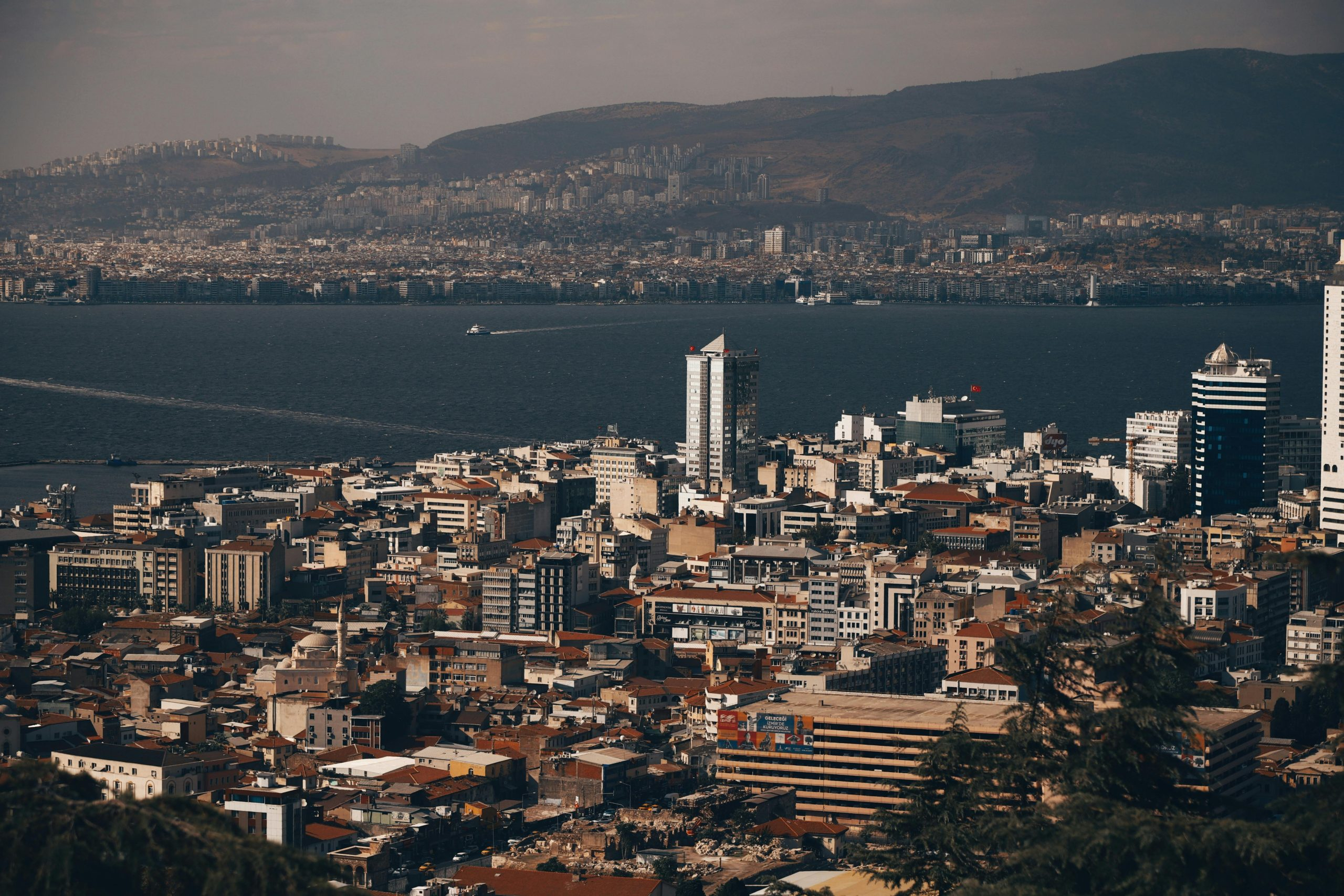
The Rise of Converting Commercial Spaces to Residential
The concept of turning commercial properties into living spaces is not new. However, it has become increasingly popular in recent years due to the shortage of affordable housing and the need for more sustainable development. In cities like New York and London, where housing prices are steep and the demand for commercial spaces is declining, this trend has gained significant momentum. According to a report by the Urban Land Institute, the conversion of office buildings, retail spaces, and industrial complexes into residential apartments has tripled in the past ten years.
The Benefits of Converting Commercial Spaces to Residential
1. Maximizing Land Use
In many cities, the demand for commercial spaces is declining due to factors such as the rise of e-commerce and the increase in remote working. This has led to numerous empty and underutilized commercial buildings. Repurposing these spaces for residential use allows for more efficient land use and helps address the need for housing in densely populated areas.
2. Cost-Effective Solution
Converting existing commercial buildings, rather than building new residential properties, can be a cost-effective solution. The infrastructure, such as elevators and staircases, are already in place, significantly reducing construction costs. Moreover, many commercial properties are located in prime locations, making them desirable for residential use.
3. Promotes Sustainability
Using existing buildings for housing reduces the need for new construction and preserves the character of the neighborhood. Repurposing also promotes sustainability by reducing urban sprawl and limiting the use of new resources. It also minimizes the carbon footprint associated with new construction and reduces the amount of construction waste.
4. Revitalizes Neighborhoods
Empty and neglected commercial spaces can often be a blight on the surrounding neighborhood. By converting them into residential properties, the area becomes more lively, with people coming and going, which brings in new activities and businesses. This revitalization can help attract new residents and contribute to the overall economic growth of the community.
The Challenges of Converting Commercial Spaces to Residential
While the benefits of converting commercial spaces to residential are plenty, there are also some challenges that need to be addressed.
1. Zoning and Building Codes
Converting a commercial building into a residential one may require rezoning and meeting specific building codes and regulations that differ from commercial properties. This process can be time-consuming and expensive and may require the assistance of experts such as architects and lawyers.
2. Structural Changes
Commercial buildings are designed to accommodate large open spaces, while residential properties require more walls and private spaces. In some cases, structural changes may need to be made to accommodate this, such as adding walls or creating new entrances and exits. This can be a daunting task, especially in older structures with unique designs.
3. Noise and Safety Concerns
In commercial spaces, the priority is functionality, and sound insulation may not be a significant concern. When converting to residential, this can be a challenge, especially if the building is located in a busy area or near industrial spaces. Additionally, safety concerns may need to be addressed, such as ensuring fire safety measures are up to residential standards.
The Future of Converting Commercial Spaces to Residential
The demand for more affordable and sustainable housing solutions in urban areas is only going to grow in the future. With the rise of remote working and the continued increase in land costs, repurposing commercial buildings for residential use is a viable solution. As technology and building techniques continue to advance, the challenges faced today may become easier to overcome.
Conclusion
Converting commercial spaces to residential has the potential to be a win-win situation for both developers and communities. It allows for more efficient use of space, promotes sustainability, revitalizes neighborhoods, and provides more housing options. While there are some challenges to consider, the benefits far outweigh them, making this concept a promising solution for the future of urban development.