How To Mix Textures For Visually Dynamic Fashion Ensembles
If you want to elevate your fashion game, one of the best ways to do so is by mixing textures in your outfits. By combining different fabrics and materials, you can create visually dynamic ensembles that are both stylish and interesting. Whether you’re a fashion novice or a seasoned pro, learning how to mix textures is a skill that can take your outfits to the next level. Read on to discover our top tips on how to mix textures for visually dynamic fashion ensembles.
Understanding Texture
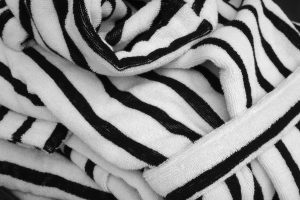
Before we dive into the art of mixing textures, it’s important to understand what texture actually is. Texture refers to the surface quality of a material, which can range from smooth and shiny to rough and matte. Some common examples of textures in fashion include silk, denim, leather, and velvet. By incorporating different textures into your outfit, you can add depth and dimension to your look.
Start with a Neutral Base
If you’re new to mixing textures, it’s best to start with a neutral base. This means sticking to neutral colors like black, white, beige, and gray. By keeping your base outfit simple, you can experiment with different textures without overwhelming your look. A neutral base also allows the different textures to stand out and be the focal point of your outfit.
Pair Contrasting Textures
The key to successfully mixing textures is to pair contrasting ones. This creates a visually interesting and dynamic look that is sure to turn heads. For example, you can pair a chunky knit sweater with a smooth satin skirt, or a leather jacket with a flowy chiffon dress. When mixing textures, it’s all about finding a balance between soft and harsh, rough and smooth, and matte and shiny.
Experiment with Layers
Another way to mix textures is by layering different pieces of clothing. This not only adds depth to your outfit but also allows you to showcase multiple textures at once. For a chic and casual look, you can layer a denim jacket over a lace top, or a faux fur vest over a silk blouse. Don’t be afraid to mix and match textures to create a unique and personalized look.
Play with Proportions
Playing with proportions is another fun way to mix textures in your outfit. For example, you can pair a chunky cropped sweater with a sleek pencil skirt or a flowy maxi dress with a structured blazer. Mixing textures with different proportions adds an interesting visual element to your outfit and can make it stand out.
Accessorize with Texture
Texture doesn’t only have to be incorporated through clothing. You can also add texture to your outfit through accessories. For example, a statement necklace with different textures or a textured handbag can add a unique touch to your ensemble. Don’t be afraid to mix textures in your accessories to give your look an extra pop.
Conclusion
Incorporating different textures into your outfits is a sure-fire way to make a fashion statement. By starting with a neutral base, pairing contrasting textures, experimenting with layers and proportions, and adding textured accessories, you can create visually dynamic ensembles that are both stylish and unique. So go ahead and mix those textures with confidence!