
Why Keeping Records Is Essential For Successful Small Businesses

Running a small business can be a hectic and overwhelming experience. With so many tasks to manage, it can be easy to let certain things fall through the cracks. However, one area that should never be neglected is record-keeping. Keeping accurate and organized records is essential for the success of any small business. In fact, it can make or break a business. In this article, we’ll explore why keeping records is essential for the success of small businesses and how it can benefit your business in the long run.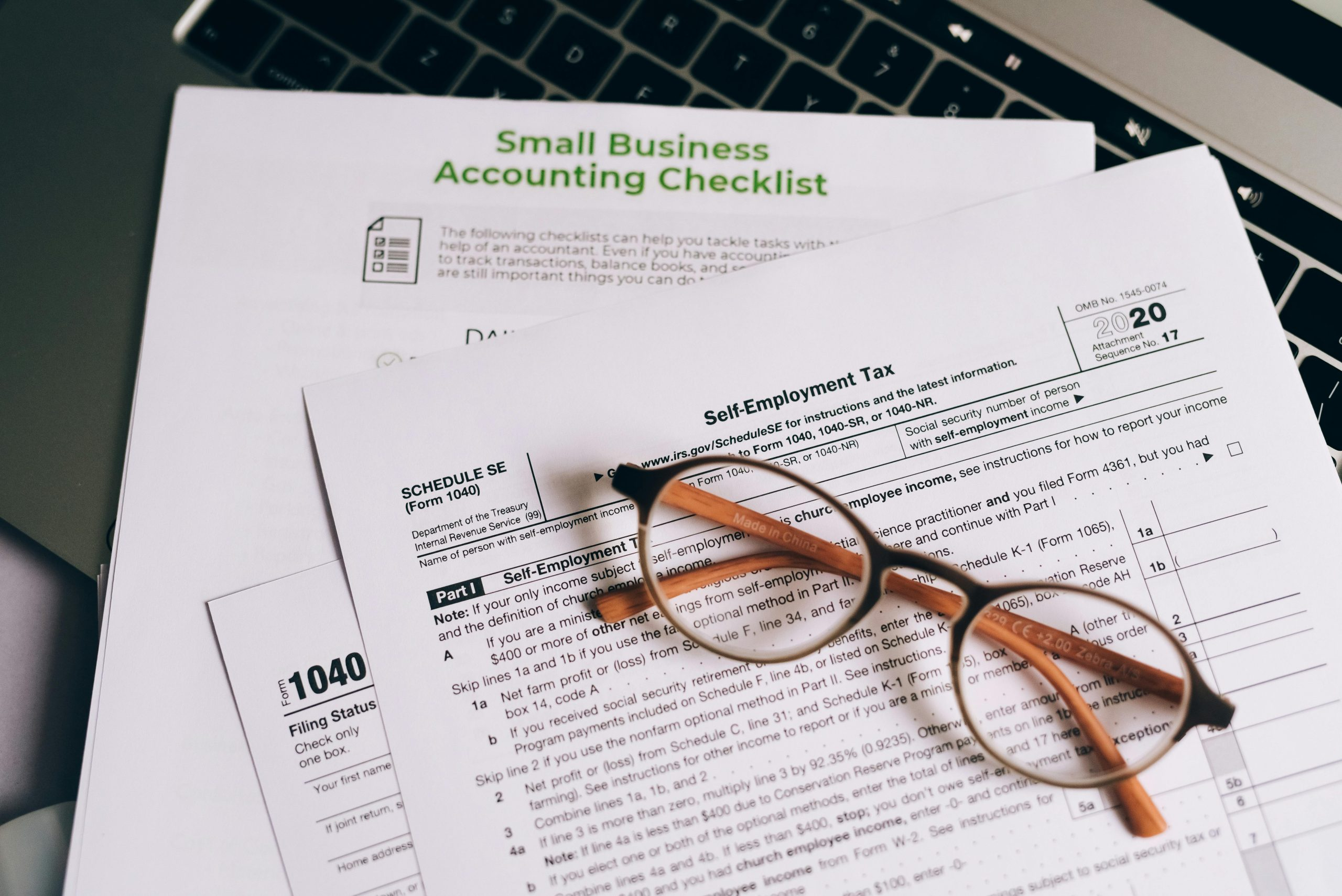
The Importance of Record-Keeping
Financial Records
The most obvious reason for keeping records is to track the financial health of your business. Proper accounting practices involve maintaining accurate records of all financial transactions that take place within the business. These records should include sales, expenses, payroll, and any other financial activity. By keeping detailed financial records, you’ll have a clear understanding of your business’s cash flow and can make informed decisions based on that information.
Tax Purposes
Another major benefit of organized record-keeping is its impact on tax obligations. Small businesses are required to file taxes each year, and failing to keep accurate records could lead to underreporting or overpaying taxes. By keeping detailed records, you can easily provide the necessary information to your accountant or tax professional, making tax filing a smoother process. Additionally, should you ever be audited, having well-kept records will be crucial in providing the necessary documentation to support your tax deductions and expenses.
Business Performance Analysis
Recording and analyzing data can also provide valuable insights into the performance of your small business. By tracking sales, expenses, and other key metrics, you can identify areas where your business is excelling and areas that need improvement. This information can help you make necessary changes to improve your business’s overall performance and profitability.
Legal Protection
Small businesses are often vulnerable to legal disputes, whether it’s with customers, suppliers, or employees. In such cases, having proper records can serve as evidence and protect you from potential legal troubles. Detailed records can help you prove that you fulfilled obligations, delivered the expected goods or services, or even show proof of payment in case of a non-paying client. In short, organized record-keeping can provide a layer of protection for your business.
The Consequences of Poor Record-Keeping
It’s clear that keeping good records is crucial for small businesses, but what happens if you neglect this important task? The consequences can be severe and potentially catastrophic for your business.
Difficulty in Obtaining Loans or Funding
Most lenders and investors require detailed financial records when evaluating a small business’s creditworthiness. If your business’s financial records are disorganized or incomplete, it may be challenging to secure a loan or funding for your business’s growth. Good record-keeping is essential for showcasing your business’s profitability and creditworthiness to potential investors or lenders.
Inaccurate Decision Making
Without proper records, it can be challenging to make well-informed decisions for your business. You may end up underestimating or overestimating your business’s expenses, leading to poor financial decisions that could harm your business’s growth. Good record-keeping allows you to have a clear understanding of your business’s financial standing and make informed decisions based on accurate information.
Penalties and Audits
As mentioned earlier, maintaining proper records is essential for tax purposes. If your records are incomplete or inaccurate, you may be subject to penalties and fines from the IRS. Additionally, if your records are not in order, you may be more likely to be audited by the IRS, leading to time-consuming and costly disruptions to your business operations.
Final Thoughts
In conclusion, keeping accurate and organized records is essential for the success of your small business. It not only helps you manage your business’s finances but also provides valuable insights and protection for your business. Good record-keeping is a fundamental aspect of running a successful and sustainable business in the long run. If you haven’t already, it’s time to prioritize record-keeping and ensure your business has a solid foundation for growth and success.