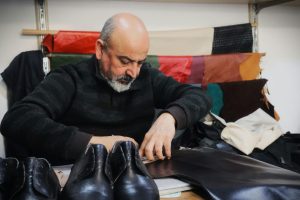
Exploring The Intersection Of Architecture And Structured Garment Design

The intersection of architecture and fashion is a fascinating and ever-evolving realm. While they may seem like entirely separate industries, the two have much in common – both rely on the principles of form, structure, and function to create something beautiful and functional. However, it is when these two fields come together that the true magic happens. One such example is the exploration of the intersection of architecture and structured garment design, where the boundaries between the two are blurred, and the possibilities are endless.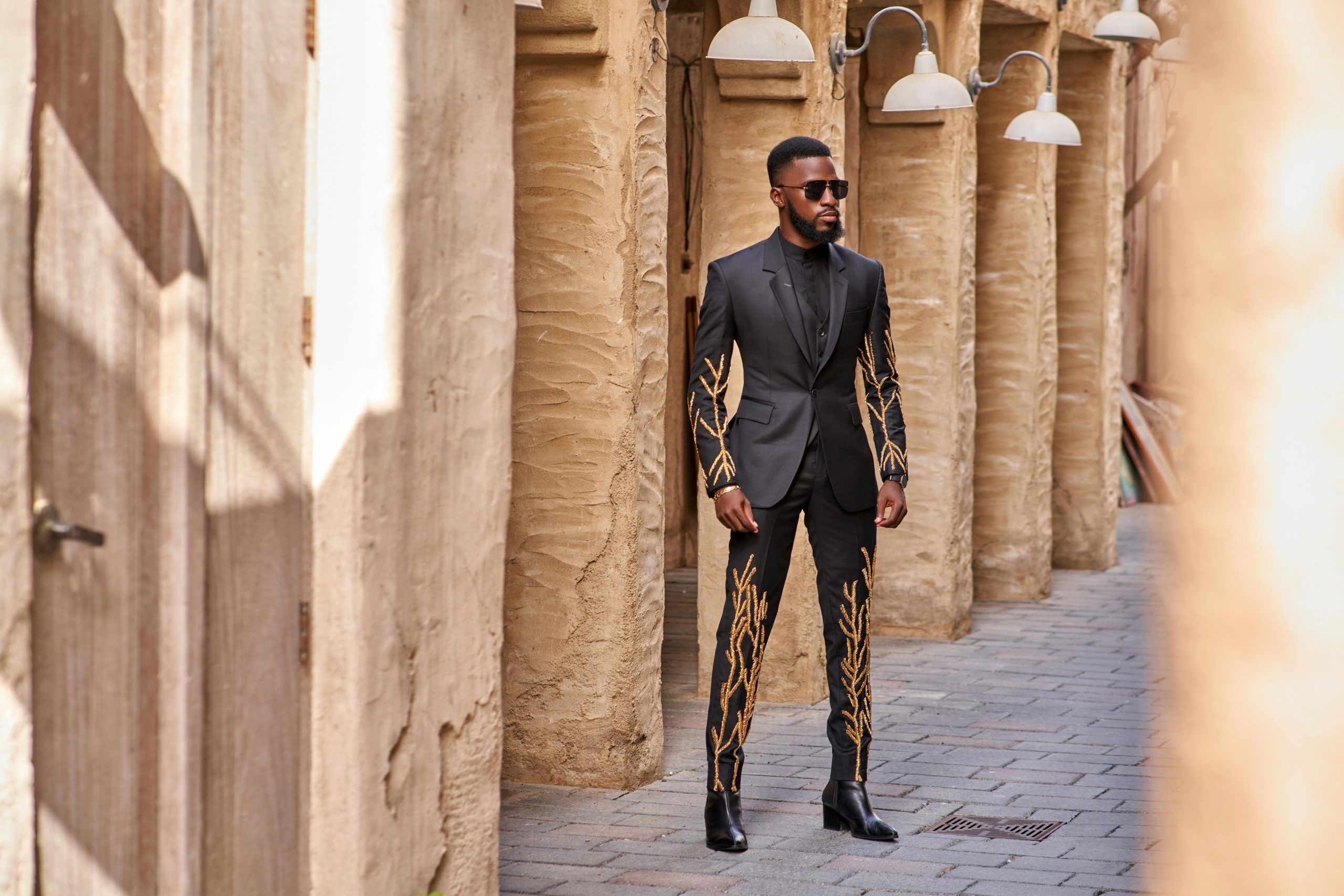
The Marriage of Form and Function
In their core principles, both architecture and structured garment design are focused on creating spaces and objects that are both aesthetically pleasing and functional. In architecture, the form follows the function – the design of a building must serve its purpose and be practical before being aesthetically appealing. Similarly, in structured garment design, the fabric’s shape and structure must complement the human body while also being visually appealing.
The similarities in these two fields are evident when looking at how architects and structured garment designers approach their work. Both must have a keen eye for detail, an understanding of materials and their properties, and the ability to envision the final product in its completed form. They also both take into consideration the human experience – how a building’s design affects those who inhabit it, and how clothing can make a person feel.
Building on the Foundations of Architecture
The concept of structure is crucial in both architecture and structured garment design. In architecture, the structure is the framework that holds everything together, creating a building that is both strong and stable. Similarly, in garment design, structure is essential as it defines the shape and form of the garment and how it sits on the body. Architects and structured garment designers must consider the materials they use carefully, as well as the placement and construction of the elements that will form the foundation of their creation.
However, while architects work with materials such as concrete, steel, and glass, structured garment designers work with fabrics such as cotton, silk, and leather. The possibilities are endless when combining these two elements, as we have seen in the work of fashion designers such as Issey Miyake and Rei Kawakubo, who have been heavily influenced by architecture in their creations.
Breaking Boundaries and Pushing Limits
The beauty of exploring the intersection of architecture and structured garment design is that it allows for the breaking of traditional boundaries and pushing the limits of what is possible. The fusion of these two fields has resulted in groundbreaking designs that are not only visually stunning but also technologically advanced and innovative.
One recent example of this is the collaboration between architect Zaha Hadid and fashion label Lacoste. The result was a collection of garments that pushed the boundaries of traditional fashion design. The use of new manufacturing techniques and materials, such as laser-cut leather and seamless construction, resulted in pieces that were both cutting-edge and wearable.
The Future of Design
As technology continues to evolve and shape the way we live our lives, it also influences the way we create and design. The intersection of architecture and structured garment design is a prime example of this. With the advancements in materials, construction techniques, and digital design tools, the future holds endless possibilities for fusing the two fields even further.
In conclusion,
Exploring the intersection of architecture and structured garment design is not only a celebration of two creative realms coming together, but it also pushes the boundaries of what we define as design. As we move forward into a more interconnected world, it is exciting to see how these two fields will continue to influence and inspire each other, creating unique and groundbreaking creations that blur the lines between form and function.