
Why Costume Design Is Essential For Successful Character Development
Behind every successful character in film, television, or theater lies the careful consideration and execution of costume design. While often overlooked, the details of a character’s wardrobe can be crucial in conveying their personality, background, and even inner thoughts. From the choice of colors and fabrics to the overall aesthetic, costume design plays a crucial role in bringing characters to life and enhancing the overall storytelling experience. In this article, we will delve into the reasons why costume design is essential for successful character development.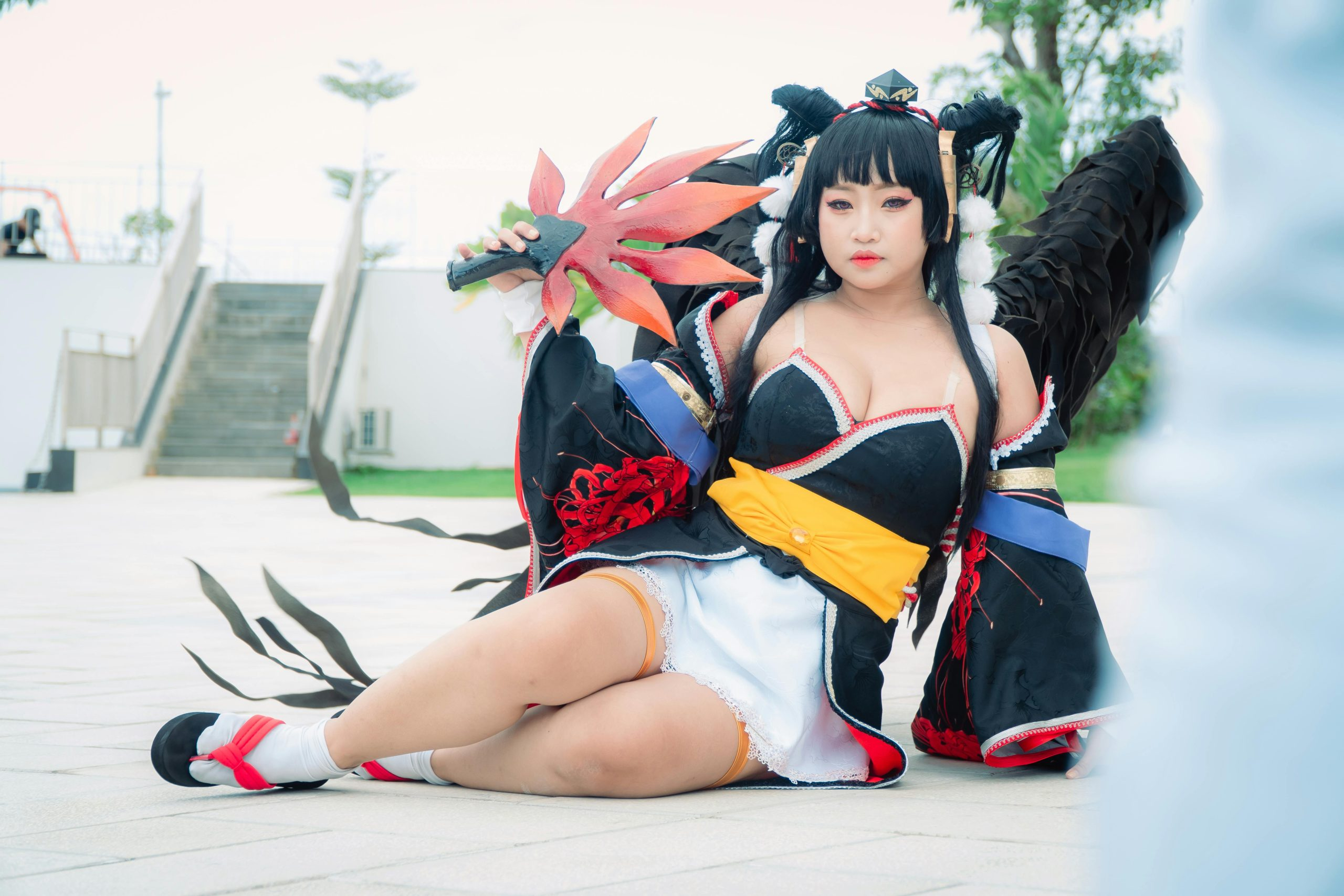
The Power of Visual Communication
As the saying goes, a picture is worth a thousand words. This rings especially true in the realm of costume design, where every costume serves as a visual representation of a character’s identity and story. The clothes a character wears can communicate their social status, occupation, cultural background, and even their emotional state. Through the clever use of costume design, a character can be instantly recognizable and relatable to the audience, even before they utter a single word.
Setting the Scene
The costumes worn by a character can also add depth to the story’s setting. Whether it be the lavish gowns of a period drama or the grungy streetwear of a gritty urban environment, the costumes can transport the audience to a specific time and place. By incorporating cultural and historical references, costume design can add authenticity and richness to the storytelling, making the audience feel fully immersed in the world of the characters.
Character Development and Growth
Costume design is not just about creating a static look for a character. It also plays a pivotal role in their development and growth throughout the story. Just like real people, characters will experience changes and transformations, and these can be reflected through their costumes. A downtrodden character may start off in drab and worn-out clothes to signify their struggles, but as they overcome challenges, their costumes may evolve to more vibrant and put-together looks. These subtle changes can help convey the character’s arc and add a layer of depth to their story.
The Art of Subtlety
One of the most impressive aspects of costume design is its subtlety. The best costume designs are the ones that go unnoticed by the audience but still have a profound effect on their viewing experience. A color choice, a particular accessory, or a small detail in a costume can convey a wealth of information without overtly stating it. This subtle approach allows the audience to make their own interpretations and connect more deeply with the characters.
Collaboration and Creativity
Costume design is not a one-person show. It involves collaboration between the director, actors, and costume designer to bring a character to life. The costume designer must understand the characters’ motivations and backstory, as well as the director’s vision for the story. This collaboration allows for a more cohesive and nuanced portrayal of the character, making them feel more authentic and believable.
Conclusion
In conclusion, costume design is essential for successful character development because it has the power to visually communicate a multitude of information, set the scene and add realism, and enhance character growth and depth. From the intricate period costumes in historical dramas to the futuristic clothing in science fiction films, every detail in a character’s wardrobe is carefully chosen to serve a purpose. So the next time you watch your favorite film or show, take a moment to appreciate the thought and effort put into the costumes and how they contribute to the overall success of the characters and their story.