
Understanding The Traditional Instruments Of Ancient Silk Road Cultures
The ancient Silk Road was a network of trade routes that connected Asia, Europe, and Africa. It was the lifeline of trade and cultural exchange between the East and the West for over two thousand years. Along this historic route, various cultures flourished and left their mark on the world. One of the most fascinating aspects of these cultures was their traditional instruments. Each region and civilization had its unique and distinctive instruments that not only reflected their musical heritage but also played a significant role in their daily lives. In this article, we will explore and understand the traditional instruments of the ancient Silk Road cultures.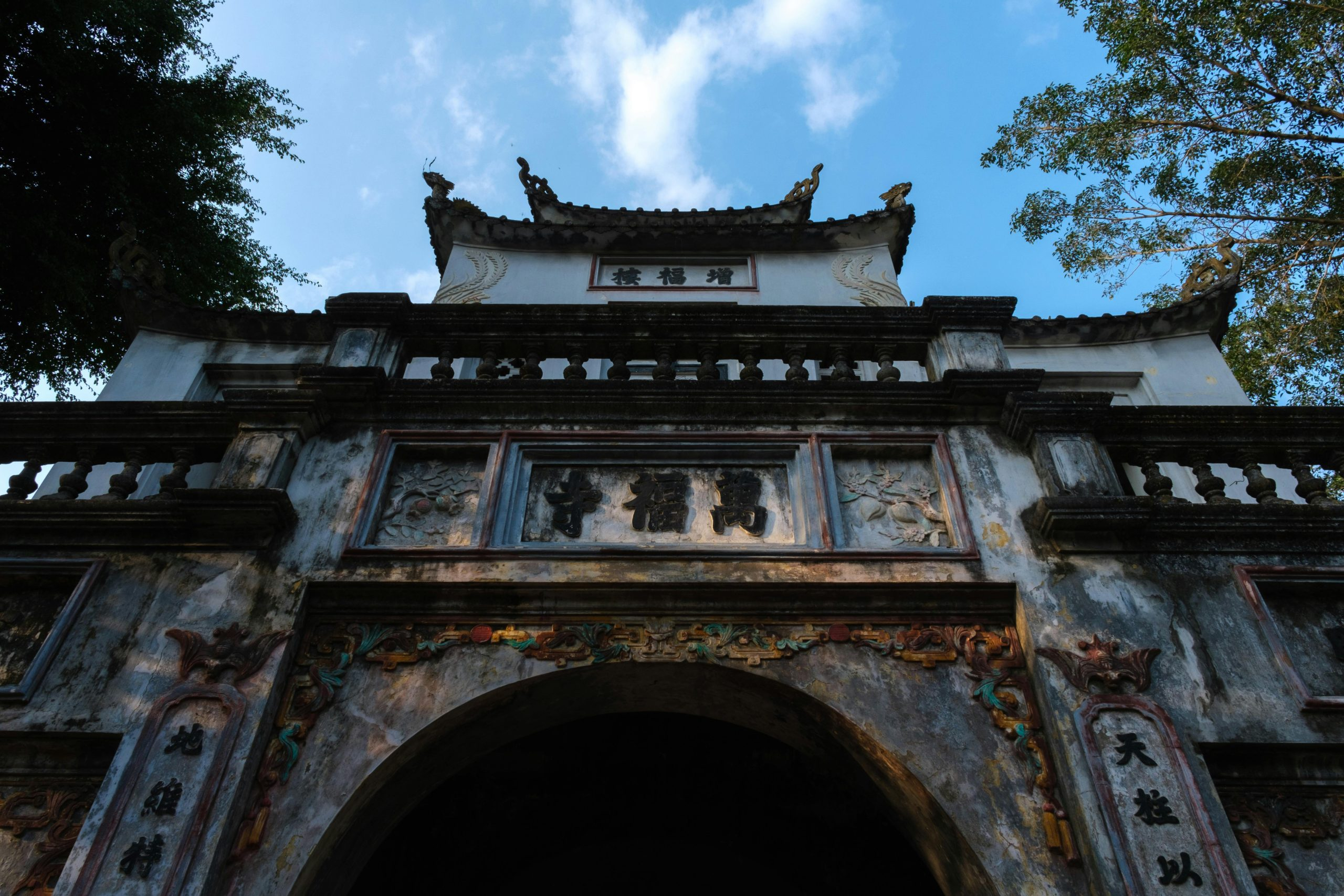
The Silk Road and Its Impact on Musical Instruments
The Silk Road was not only a trade route for goods but also a route for cultural exchange. It facilitated the exchange of ideas, beliefs, and practices, including music and musical instruments. This exchange led to the development and evolution of new instruments as well as the fusion of different musical styles. For instance, the Chinese influence can be seen in the traditional Korean instrument, the Gayageum, which bears similarities to Chinese zithers.
The Ancient Silk Road Cultures and Their Traditional Instruments
China
China has a rich musical heritage dating back to ancient times. The traditional Chinese instruments can be divided into four categories based on their construction materials – silk, bamboo, wood, and metal. Some of the most well-known traditional instruments from China include the Guqin, a seven-stringed zither, and the Erhu, a two-stringed fiddle. These instruments were not only used for entertainment but also had religious and cultural significance.
India
India is renowned for its diverse musical traditions, and the Silk Road played a significant role in their development. The Indian classical music system, consisting of Hindustani and Carnatic music, has a wide array of traditional instruments. One of the most notable is the Sitar, a plucked stringed instrument with a distinct sound. The Tabla, a pair of drums, is another important traditional instrument in Indian music, often used for accompaniment.
Greece
Greek music is believed to have influenced the music of Central Asia through trade via the Silk Road. The traditional Greek musical instruments include the Lyre, an ancient string instrument with a boat-shaped body, and the Aulos, a double reed instrument. Both these instruments have been depicted in ancient artwork and continue to be used in traditional Greek music today.
Rome
The Roman Empire had a significant presence along the Silk Road and played a major role in spreading their musical traditions. The Roman lyre, similar to the Greek lyre, was one of the most prominent instruments during that time. The Roman tibia, a woodwind instrument, was also widely used in religious ceremonies and accompanied gladiatorial games.
Persia
Persia, now known as Iran, has a rich musical heritage that has been influenced by various cultures. Some of the traditional instruments include the Santur, a hammered dulcimer, and the Setar, a plucked lute with four strings. These instruments are still widely used in Persian classical music and are an essential part of their cultural identity.
Central Asia
Central Asia was the heart of the Silk Road, and its diverse ethnic groups have contributed to its unique musical landscape. The Dutar, a two-stringed long-necked lute, and the Komuz, a three-stringed fretless plucked instrument, are traditional instruments used in Kazakhstan, Kyrgyzstan, and Uzbekistan. These instruments are often played at celebrations and social events.
Preserving the Traditional Instruments of the Ancient Silk Road Cultures
The ancient Silk Road is no longer the bustling route it once was. However, the cultural exchange and impact of this historic route continue to live on through the traditional instruments of the ancient Silk Road cultures. It is essential to preserve these instruments and their rich history to keep the Silk Road legacy alive for future generations to appreciate and learn from. Governments and organizations are taking steps to document and safeguard these instruments, but it is also up to us as individuals to recognize and appreciate their significance.
In Conclusion
The traditional instruments of the ancient Silk Road cultures are a testament to the power of cultural exchange and the influence it has had on our world. These instruments are more than just musical tools; they are a reflection of the diverse and vibrant cultures that existed along the historic route. By understanding and appreciating these instruments, we can gain a deeper insight into the lives and beliefs of the ancient Silk Road civilizations and continue to keep their legacy alive.