
The Evolution Of Live Concert Visuals And Stage Design
Over the years, live concerts have become a staple form of entertainment for music lovers and artists alike. Along with the ever-evolving musical landscape, the visuals and stage design of live concerts have also undergone a transformation. From simple lighting and minimal stage setups to elaborate and immersive experiences, the evolution of live concert visuals and stage design is truly remarkable. In this article, we will take a deeper look into the history and growth of live concert visuals and stage design, and how they have become an integral part of the concert experience.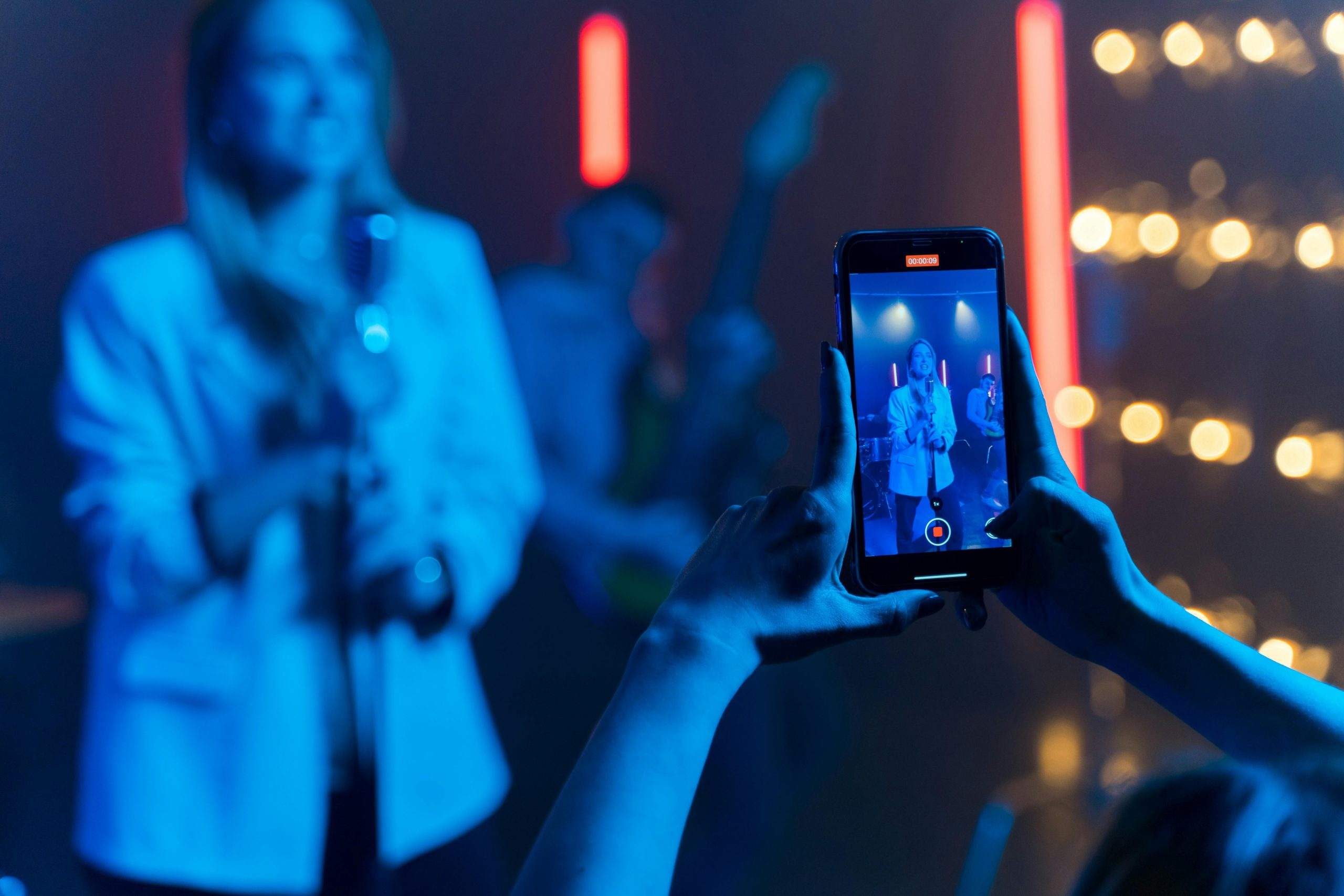
The Early Days of Concert Visuals
In the early days of live concerts, visual elements were limited to basic lighting and backdrop setups. The focus was solely on the music and the artists, with little attention given to the aesthetics of the stage. However, as technology advanced, so did the possibilities for incorporating visuals into live performances.
The Introduction of Video Screens
In the late 1960s and early 1970s, the introduction of video screens marked a significant shift in live concert visuals. Led Zeppelin’s 1973 tour is often credited as the first major tour to incorporate video screens, featuring footage from their shows and behind-the-scenes clips. This not only enhanced the concert experience for the audience but also allowed for more creative expression for the artists.
Light Shows and Projection Mapping
In the 1980s, light shows and projection mapping became popular among bands like Pink Floyd and U2. These techniques used intricate lighting and projection setups to create a mesmerizing visual experience, often synced with the music. This added a new dimension to live concerts, making them more immersive and engaging for the audience.
The Rise of Digital Technology
The turn of the millennium saw a significant shift towards digital technology in live concerts. With the advancement of digital projectors, LED screens, and software, the possibilities for concert visuals were endless. Artists such as Madonna, Beyoncé, and Lady Gaga started incorporating elaborate and interactive digital visuals into their shows, raising the bar for concert experiences.
Interactive Environments and Holograms
One of the most significant trends that emerged with the rise of digital technology in live concerts was the use of interactive environments and holograms. In 2006, Radiohead used a 3D laser light show to create an interactive visual experience for their audience. In 2012, Tupac “performed” alongside Snoop Dogg and Dr. Dre as a hologram at the Coachella music festival, showcasing the endless possibilities of combining technology and live performances.
The Present Day
Today, live concert visuals and stage design have reached new heights. With advancements in virtual reality, augmented reality, and motion graphics, artists have the tools to create immersive and unforgettable visual experiences for their audiences. As the competition for attracting concert-goers increases, visuals and stage design have become an essential element in creating a memorable and unique show.
Bringing the Concert Experience Home
Another significant trend that has emerged in recent years is the use of live streaming and virtual concerts. With the rise of social media and streaming platforms, artists are now able to bring their live performances directly to their fans’ homes. This has created a whole new form of visual and stage design, with artists using virtual reality and green screen technology to create elaborate virtual concert experiences.
In Conclusion
The evolution of live concert visuals and stage design has come a long way since its early days. From basic lighting and video screens to holograms and virtual reality, the possibilities for creating captivating live performances are constantly expanding. As technology continues to advance, we can only imagine what the future holds for live concert visuals and stage design. However, one thing is for sure – they will continue to play a significant role in delivering a truly unforgettable concert experience.