
The Rise Of Biophilic Design In Modern Residential Developments

In the modern world, where urbanization and technology are constantly evolving, people are seeking ways to reconnect with nature. This is where the concept of biophilic design comes into play. With a growing need for sustainable and eco-friendly living, biophilic design has become a popular trend in the world of architecture and interior design. This innovative design approach, which focuses on incorporating elements of the natural world into man-made environments, has gained recognition for its numerous benefits. In this article, we will explore the rise of biophilic design in modern residential developments.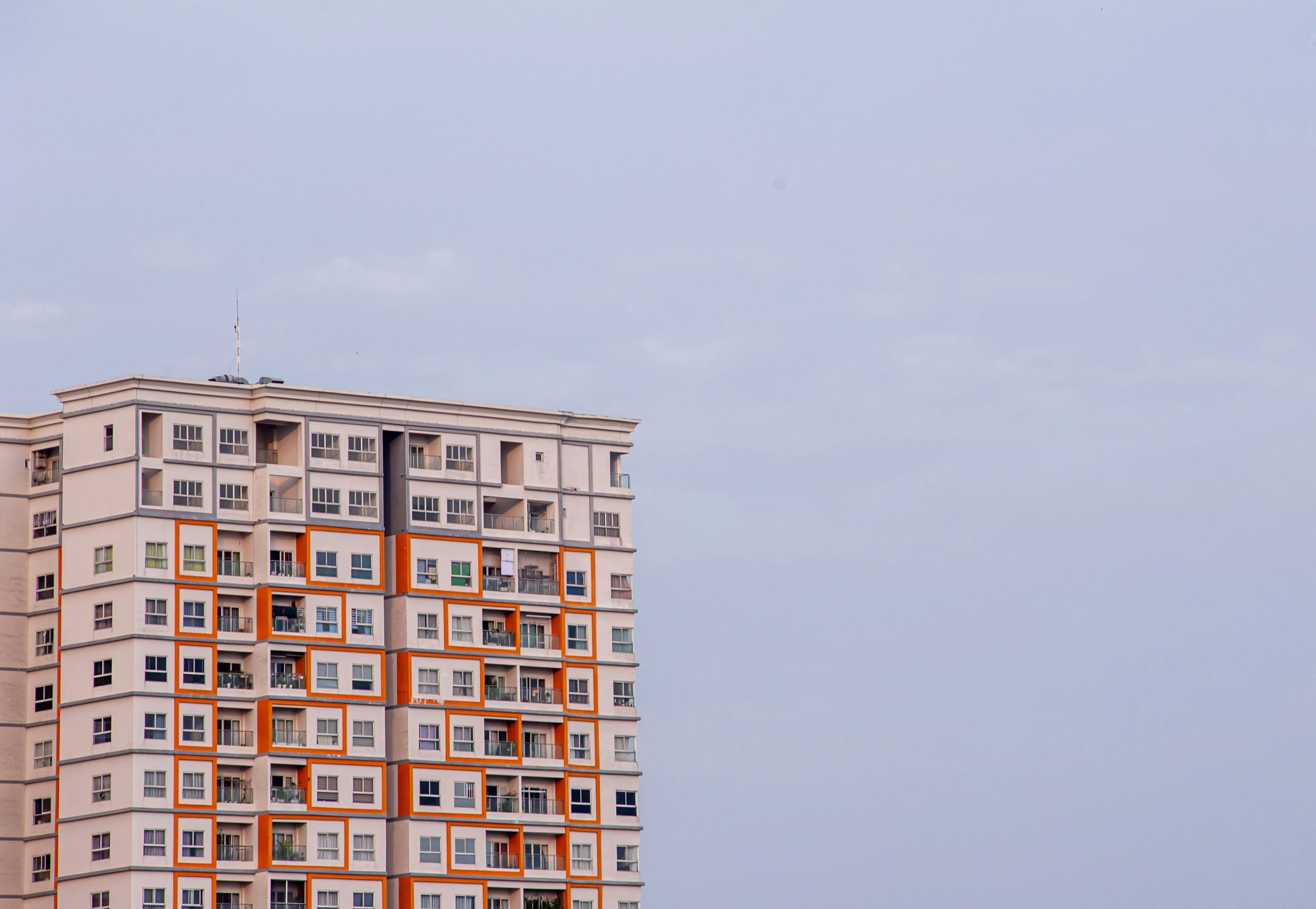
Bridging the Gap Between Nature and Modern Living
Biophilic design is a concept that goes beyond adding a touch of greenery in buildings. It is about creating a harmonious relationship between humans and the natural environment, even in the midst of urban landscapes. The idea behind biophilic design is to bring the benefits of nature into our daily lives, enhancing our health and well-being.
The Science Behind Biophilic Design
According to research, spending time in nature has positive effects on our physical, mental, and emotional health. Biophilic design aims to mimic these experiences by incorporating natural elements into our built environment. Studies have shown that exposure to natural elements, such as plants, sunlight, and water, can reduce stress levels, improve cognitive function, and even boost productivity.
From Concept to Reality: Implementing Biophilic Design
More and more developers and designers are embracing biophilic design principles in their projects, from small residential buildings to large-scale developments. One of the key elements of biophilic design is the use of natural materials, such as wood, stone, and water, to create a sense of connection with the outdoors. Building orientation and natural light are also important factors in biophilic design, as they bring in natural light and ventilation, reducing the need for artificial lighting and air conditioning.
Biophilic design also involves incorporating elements of nature into interior spaces. Green walls, indoor gardens, and natural textures, like wood and bamboo, are popular features that add a touch of nature to indoor spaces. These elements not only improve the aesthetics of a space but also have a positive impact on our overall well-being.
The Benefits of Biophilic Design in Residential Developments
Apart from the physical and psychological benefits for residents, biophilic design also has positive effects on the environment. By using natural materials and designing buildings to incorporate natural light and ventilation, biophilic design promotes energy efficiency and reduces the carbon footprint of a building.
Moreover, biophilic design offers a sense of connection to the natural world, which is crucial in our increasingly urbanized society. This connection can improve mental health and reduce feelings of isolation and disconnection.
Conclusion
As modern living becomes more detached from nature, biophilic design offers a solution to bridge the gap between humans and the natural environment. With its numerous benefits, including improved health, well-being, and sustainability, it is no surprise that biophilic design is on the rise in modern residential developments. As we continue to strive for a more balanced and sustainable lifestyle, biophilic design will likely play a key role in shaping the future of our built environment.