The History And Future Of Synthesizers In Electronic Music
The history of electronic music can be traced back to the early 1900s, when composers such as Edgard Varèse and Luigi Russolo began experimenting with electronic instruments. However, it was not until the 1960s and 1970s that the use of synthesizers truly revolutionized the genre. Today, synthesizers are a staple in electronic music, and their future looks even more promising with constant advancements in technology. Let’s take a closer look at the history and future of synthesizers in electronic music.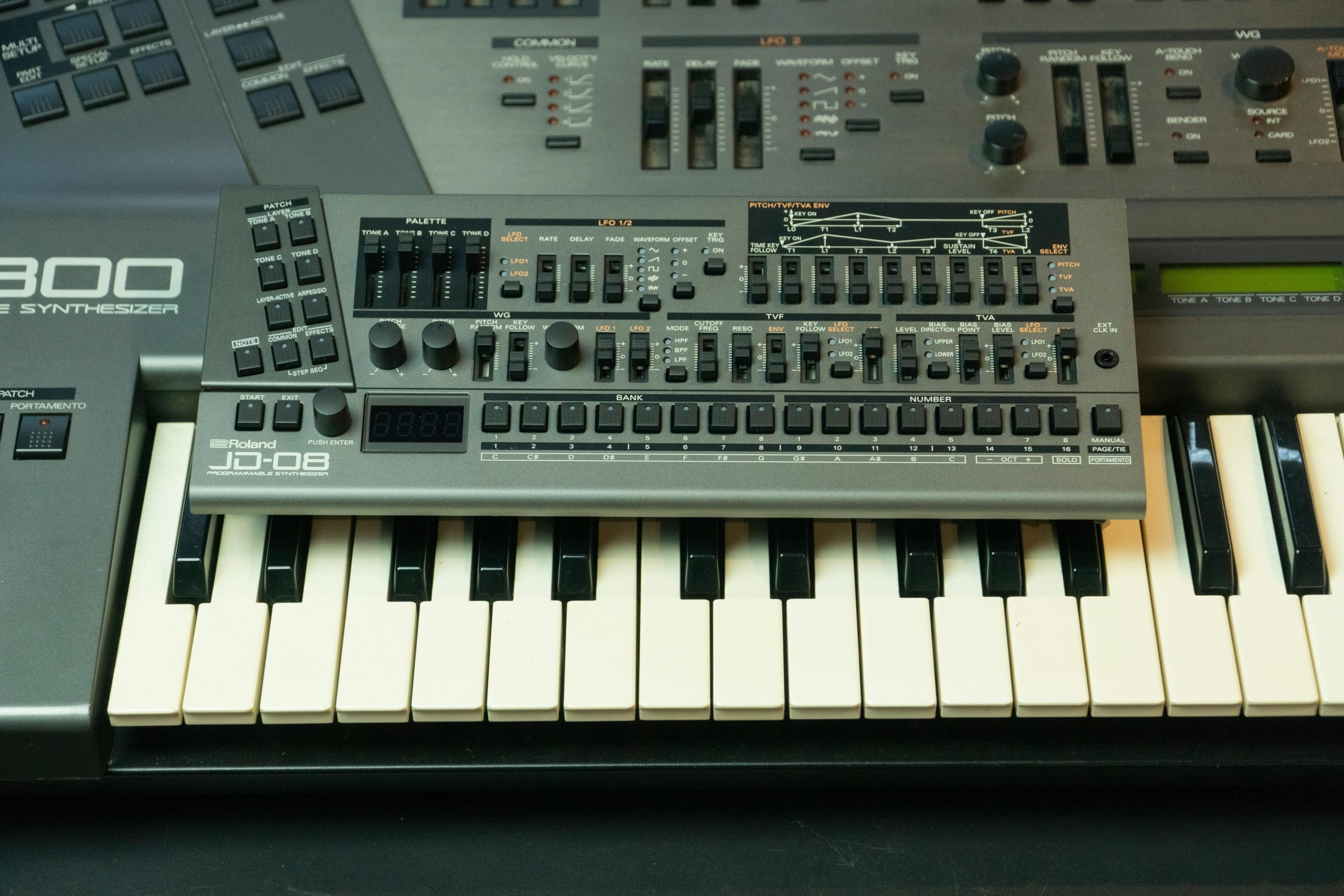
The Rise of Synthesizers in Electronic Music
The first synthesizers were large and expensive, limiting their accessibility to experimental composers and wealthy musicians. But with the invention of the Minimoog in the early 1970s, synthesizers became more compact, affordable, and user-friendly. This paved the way for the rise of electronic music and the birth of new genres such as synthpop and techno.
The Role of Synthesizers in Electronic Music
Synthesizers have played a crucial role in the development of electronic music. They have allowed musicians to create sounds that were previously impossible to achieve with traditional instruments. In addition, they have given artists the flexibility to manipulate and alter their sounds, opening up endless possibilities for experimentation and creativity.
One of the most notable pioneers of electronic music and synthesizers is the late German musician, Klaus Schulze. In the 1970s, he used a variety of synthesizers to create groundbreaking albums that pushed the boundaries of electronic music. His influence can still be heard in today’s electronic music, and his techniques and sound designs continue to inspire new generations of producers.
The Evolution of Synthesizers
The introduction of digital technology in the 1980s brought more affordable and sophisticated synthesizers onto the market. This led to the development of MIDI (Musical Instrument Digital Interface), which allowed synthesizers to be connected and controlled by computers, making the production of electronic music more accessible to a wider audience.
Over the years, synthesizers have continued to evolve, becoming more compact, versatile, and powerful. Today, many of the classic synthesizers from the 1970s and 1980s have been recreated as virtual instruments, making it easier for producers to access their iconic sounds without breaking the bank. In addition, modular synthesizers, which allow for even more complex sound design, have also gained popularity in recent years.
The Future of Synthesizers in Electronic Music
As technology continues to advance at a rapid pace, the possibilities for synthesizers in electronic music are endless. With the rise of artificial intelligence, we may even see the development of self-generating synthesizers that can create unique sounds on their own.
Furthermore, the integration of virtual and augmented reality may allow for a more immersive and interactive music-making experience. Imagine being able to physically interact with virtual synthesizers and create music in a completely new way.
Conclusion
Synthesizers have come a long way since their humble beginnings, and their impact on electronic music cannot be overstated. From the early days of experimentation to their current role as essential tools for music production, synthesizers have shaped the genre in countless ways. And with constant advancements in technology, the future looks bright for the continued evolution of synthesizers and their ever-growing influence on electronic music.