
Exploring The Impact Of Architecture On Modern Learning Environments

As we continue to advance in the field of education, the concept of traditional classrooms is slowly fading away. The one-size-fits-all approach to learning is no longer effective in meeting the needs of modern students. And while technological advancements have played a significant role in shaping the way we learn, one crucial element that is often overlooked is the impact of architecture on modern learning environments. In this article, we will delve deeper into the relationship between architecture and learning, and how it affects students, teachers, and the overall learning experience.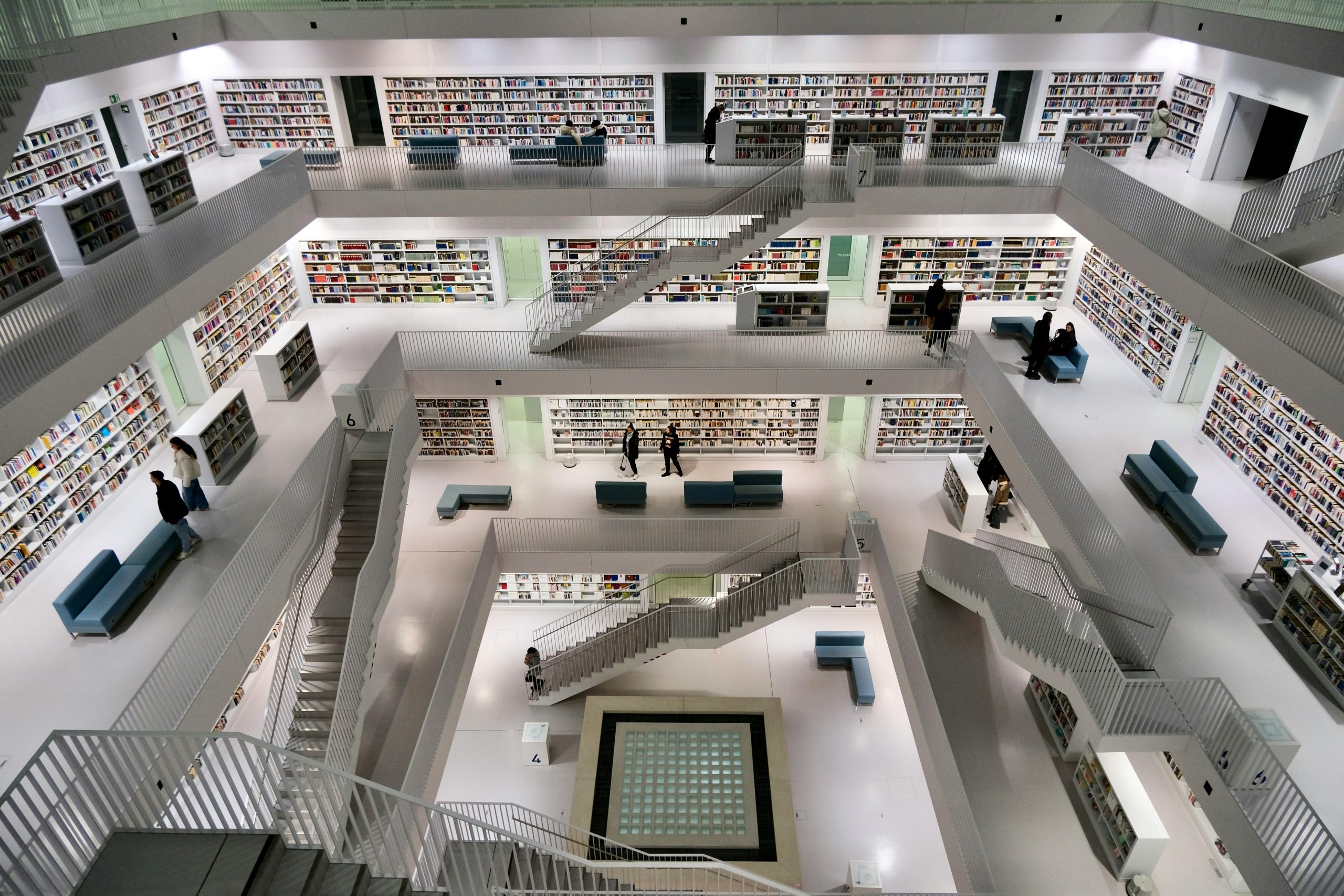
The Importance of Modern Learning Environments
Gone are the days when learning involved a teacher lecturing in front of a class of students seated in neat rows of desks. Today, we acknowledge the need for flexible, interactive, and collaborative learning spaces that cater to the diverse needs of students. The physical environment has a powerful influence on student behavior, attitude, and engagement, making it an essential aspect of the learning process.
A Multisensory Approach to Learning
Modern learning environments focus on utilizing all five senses to enhance the learning experience. Architecture plays a crucial role in designing spaces that cater to this multisensory approach. For instance, incorporating natural light, vibrant colors, and nature-inspired elements can positively impact a student’s mood, motivation, and cognitive abilities. Additionally, incorporating comfortable and ergonomic furniture can promote physical well-being and encourage movement, bringing a sense of energy and vitality to the classroom.
Promoting Collaboration and Interaction
Modern learning environments are designed to promote collaboration, communication, and interaction between students. By incorporating open spaces, group work areas, and informal learning spaces, students are encouraged to work together, share ideas, and learn from one another. This type of architecture fosters a sense of community within the learning environment and promotes social interactions, essential skills for personal and professional development.
Creating a Positive Learning Environment
A well-designed learning environment can create a positive and welcoming atmosphere for students and teachers alike. By incorporating elements such as comfortable seating, natural light, and engaging visual stimuli, students feel more relaxed, focused, and motivated to learn. Teachers also benefit from a conducive environment that supports their teaching methods and encourages experimentation and creativity.
The Impact of Architecture on Student Performance
Studies have shown a significant correlation between the physical learning environment and student performance. Well-designed learning environments have been linked to improved academic achievement, higher test scores, and increased student engagement. This can be attributed to the fact that architecture shapes the learning experience, influencing factors such as concentration, mood, and motivation.
Facilitating Different Learning Styles
Architecture can cater to the different learning styles of individual students, making it easier for them to process and retain information. For instance, some students prefer a quiet and isolated space, while others thrive in a more collaborative and social learning environment. By incorporating diverse design elements, modern learning spaces can cater to the needs of all students, promoting inclusivity and accessibility.
Enhancing Creativity and Critical Thinking
The physical environment can also stimulate creativity and critical thinking in students. By incorporating elements such as flexible spaces, movable furniture, and outdoor learning areas, students are encouraged to think outside the box and explore unconventional learning methods. This type of architecture can spark curiosity, imagination, and innovation, essential skills for today’s rapidly changing world.
In Conclusion
The impact of architecture on modern learning environments cannot be underestimated. A well-designed learning space can engage and motivate students, promote collaboration and social skills, and enhance overall academic performance. In the ever-evolving field of education, it is crucial to continue exploring the relationship between architecture and learning to create innovative and effective learning spaces for the 21st-century student.