
The Impact Of Transportation Infrastructure On Housing Price Growth

As cities continue to grow and expand, the need for efficient and reliable transportation becomes increasingly important. From highways to public transit systems, transportation infrastructure plays a crucial role in connecting people and goods, as well as influencing the economy and the housing market. In this article, we will explore the impact of transportation infrastructure on housing price growth, and how it affects the value and desirability of properties in different areas.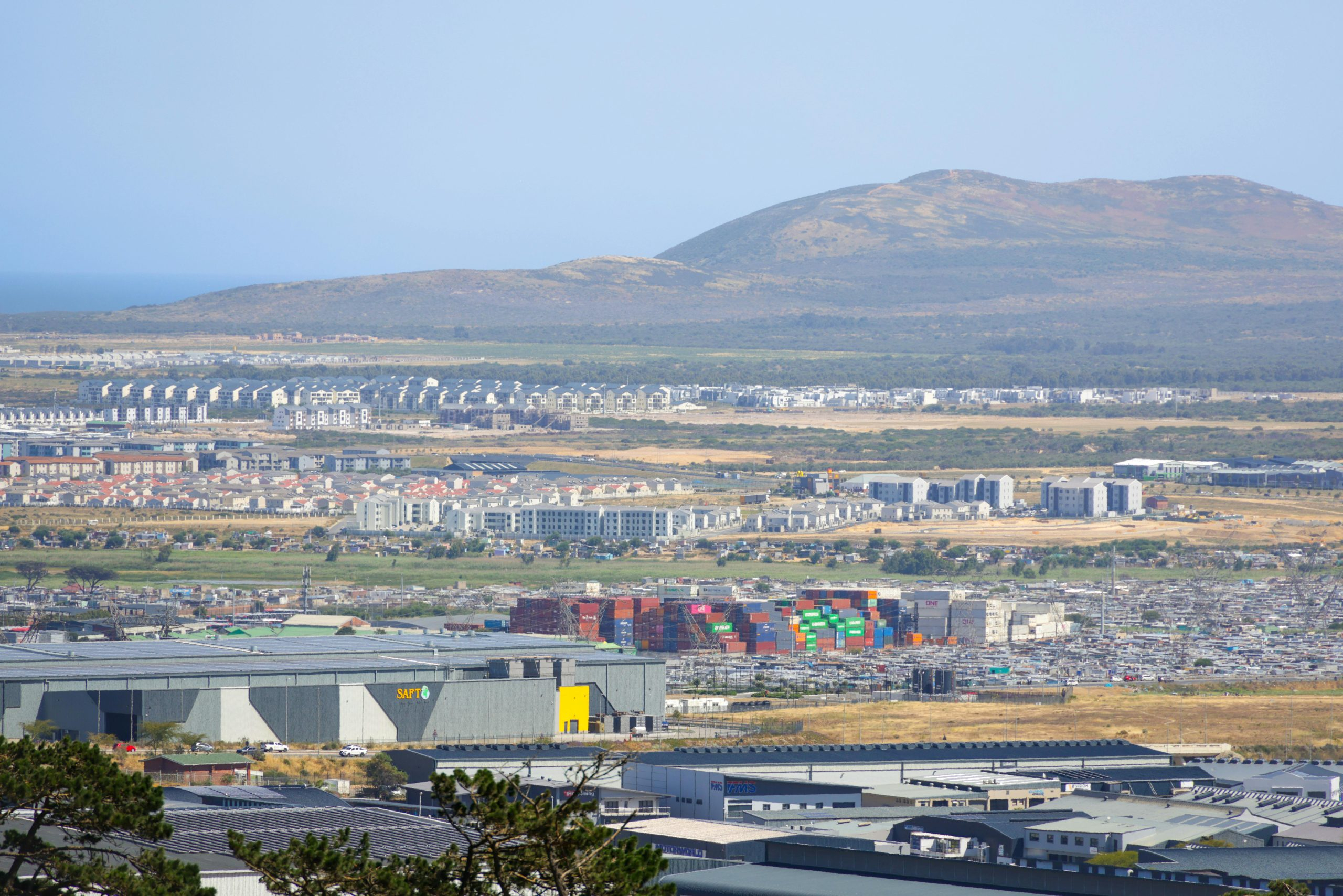
The Role of Transportation Infrastructure in Housing Price Growth
Transportation infrastructure refers to the physical networks and systems that allow the movement of goods and people from one place to another. This includes roads, bridges, public transportation, airports, and ports. The availability and quality of transportation infrastructure not only affect the overall economic growth of a region, but also play a significant role in determining the demand and prices of housing.
Improved Accessibility
One of the major impacts of transportation infrastructure on housing price growth is increased accessibility. When an area is well connected and has easy access to transportation, it becomes more desirable for people to live in. With efficient and convenient transportation options, people can easily commute to work, school, and other places, making the area more appealing to potential homebuyers.
This increased demand for housing in well-connected areas leads to an increase in property values. Moreover, improved accessibility can also attract businesses and industries, resulting in job growth and further increasing the demand for housing. This is known as the accessibility effect, where better transportation infrastructure can significantly drive up property prices in a particular area.
Reduced Commuting Time and Costs
Another factor that influences housing prices is the time and cost of commuting. With an efficient transportation infrastructure, commuters can reach their destinations faster, saving them time and money on transportation costs. This is especially true for cities with heavy traffic and long commuting times. In such areas, properties located near public transportation or highway exits tend to be more valuable and in higher demand.
Additionally, with the rise of remote working and flexible work arrangements, the importance of transportation infrastructure has increased. Workers who have the option to work from home still consider the ease of commuting when choosing a place to live. Therefore, areas with good transportation infrastructure may see an increase in housing prices, even if they are not directly located in the city center.
Types of Transportation Infrastructure and Their Impact on Housing Prices
Roads and Highways
Roads and highways are the most common forms of transportation infrastructure, and their impact on housing prices is significant. Properties located near highways or major roads tend to have a higher value due to their accessibility. However, properties located too close to highways may also experience a decrease in value due to noise and pollution concerns.
Public Transportation
Public transportation, such as buses, subways, and trains, can also have a positive impact on housing prices. Living near a public transportation stop or station can make commuting more convenient and reduce the need for owning a car, which can be a significant cost savings. As a result, properties near public transportation tend to be more desirable and in higher demand, leading to higher prices.
Airports and Ports
Airports and ports also have a considerable impact on housing prices, especially in cities that heavily rely on trade and tourism. Areas near airports and ports often experience an increase in property value due to the demand from individuals and businesses that rely on these facilities. However, the noise and traffic from these transportation hubs may also negatively affect property prices in nearby areas.
The Importance of Future Transportation Plans
Investments in transportation infrastructure, such as the construction of new highways or the expansion of public transportation, can have a significant impact on housing prices. Therefore, it is essential for city planners and policymakers to consider the potential impact on housing markets when making transportation planning decisions.
Moreover, future transportation plans and developments can also influence housing prices. For example, the announcement of a new transportation project or the opening of a new transit line can increase the value of properties located in the vicinity due to the expected increase in accessibility and demand.
Conclusion
The impact of transportation infrastructure on housing price growth cannot be overlooked. Improved accessibility, reduced commuting time and costs, and the type and location of transportation infrastructure all play a crucial role in determining the value and demand for properties in a particular area. As cities continue to grow and evolve, it is important for urban planners and policymakers to consider the impact of transportation infrastructure on housing markets and make informed decisions that benefit both residents and the economy as a whole.