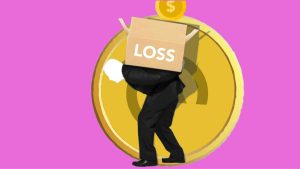
Exploring The History Of Major Global Economic Market Crashes

The global economy is an ever-changing and complex system, with many moving parts that can be influenced by a variety of factors. Throughout history, we have seen times of prosperity and growth, as well as times of economic downturn and recession. However, there have been certain moments in history that stand out as major global economic market crashes, with wide-reaching impacts and long-lasting consequences. In this article, we will dive into the history of these major market crashes, exploring their causes, effects, and lessons learned.
The Great Depression of 1929
The Great Depression of 1929 is perhaps one of the most well-known and studied global economic market crashes in history. It began with the stock market crash of October 1929, also known as “Black Tuesday.” This crash was caused by excessive speculation and overvalued stock prices, leading to a sudden and drastic decline in stock values. The crash affected not only the United States but also had global implications, as many countries relied heavily on US imports and exports.
As the stock market continued to plummet, businesses and banks failed, leading to widespread unemployment and a decline in consumer spending. This further exacerbated the economic downturn, and by 1933, the unemployment rate in the US had reached 25%. The Great Depression lasted for over a decade, with other countries also experiencing economic slumps during this time.
Lessons learned
The Great Depression taught us several valuable lessons about the global economy. One of the key takeaways is the importance of regulation and oversight in financial markets. The lack of regulations and oversight played a significant role in the stock market crash and subsequent economic downfall. Governments also learned the importance of implementing fiscal and monetary policies to stimulate economic growth and prevent severe downturns.
The Dot-Com Bubble of 2000
In the late 1990s, the internet and technology industry experienced a period of rapid growth and innovation. Many companies were founded with the promise of revolutionizing the way we live, work, and communicate through the use of the internet. The high demand for tech stocks led to soaring stock prices, with many companies seeing their stock values increase significantly in a short period of time.
However, in 2000, the dot-com bubble burst, and many of these tech companies failed. The high valuations of these companies were not supported by their actual profitability, leading to a decline in stock prices and investor confidence. This market crash had global consequences, as the technology industry had become a major player in the global economy.
Lessons learned
The dot-com bubble taught us about the dangers of speculation and investing in companies with little to no actual profitability. It also highlighted the importance of conducting thorough research and analysis before making investment decisions. Additionally, the importance of diversifying investments to mitigate risk was emphasized, as many investors who put all their money into tech stocks during this time suffered significant losses.
The Global Financial Crisis of 2008
In 2008, the world experienced another major global economic market crash, known as the Global Financial Crisis. The crisis began with the collapse of the housing market in the United States, as banks were issuing risky mortgages and bundling them as complex financial instruments. When these mortgages began to default, the financial system was thrown into chaos, with many banks and financial institutions on the brink of collapse.
The ripple effects of the Global Financial Crisis were felt worldwide, with many countries experiencing a recession and high levels of unemployment. Government interventions and bailouts were needed to stabilize financial markets and prevent a complete economic collapse.
Lessons learned
The Global Financial Crisis taught us about the dangers of risky lending practices and the importance of transparency and accountability in the financial system. It also highlighted the interconnectedness of the global economy and how the actions of one country or industry can have far-reaching effects.
Conclusion
Exploring the history of major global economic market crashes is crucial in understanding the fragility and complexity of the global economy. These moments in history serve as cautionary tales, reminding us of the importance of responsible financial practices, regulations, and diversified investments. By learning from these events, we can hopefully prevent or mitigate similar crises in the future.