
The Future Of Mobile Payments In A Cashless Society
The way we make payments is constantly evolving with advancements in technology. Gone are the days of carrying around a bulky wallet filled with cash and cards. In today’s society, the use of mobile payments is becoming increasingly popular and is paving the way for a cashless future. In this article, we will explore the growing trend of mobile payments and how it is shaping the future of society.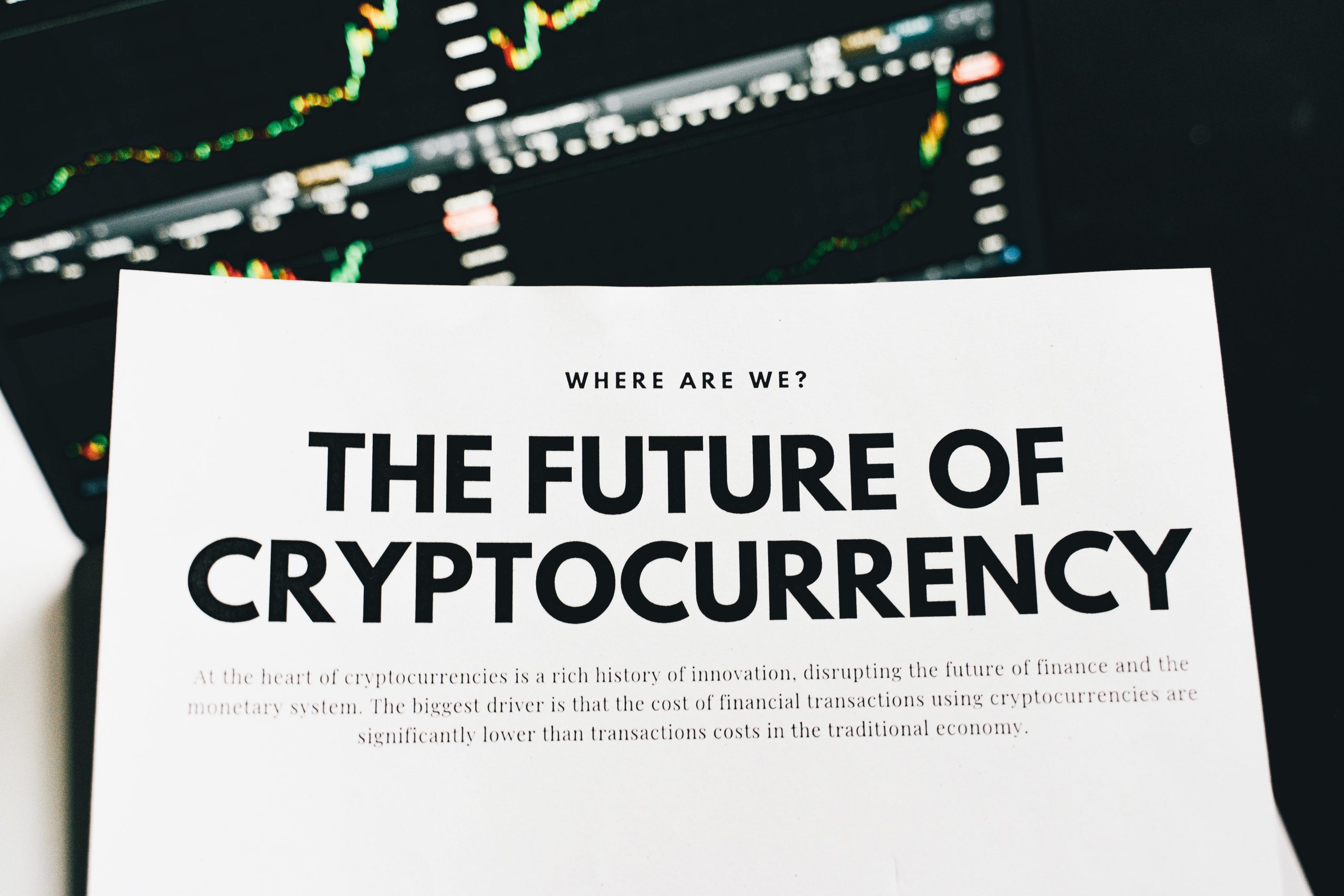
The Rise of Mobile Payments
The concept of mobile payments, also known as digital or electronic payments, is not a new one. This payment method has been around for several years, but it has significantly gained traction in recent times. With the widespread adoption of smartphones and the rise of e-commerce, it is no surprise that mobile payments have become a popular choice among consumers.
According to a study by Statista, the number of mobile payment users worldwide is expected to surpass 1 billion by the end of 2020. This staggering number shows the increasing demand for this convenient and secure payment method.
Convenience and Efficiency
One of the main reasons for the popularity of mobile payments is convenience. With just a few taps on your smartphone, you can make a payment without having to dig through your wallet for cash or cards. This ease of use is especially beneficial for those who are always on the go and don’t have the time to wait in long queues.
In addition to convenience, mobile payments also offer efficiency. With traditional payment methods, there is always the risk of losing cash or having your card declined. However, with mobile payments, you are always in control of your finances. Plus, you can easily track your spending and have a record of all your transactions. This eliminates the need for keeping paper receipts, making it a more environmentally friendly option as well.
The Role of Technology
The advancement of technology has played a major role in the growth of mobile payments. Near-Field Communication (NFC) technology allows devices to communicate with each other wirelessly, making it possible for smartphones to process payments without the need for physical contact with a card reader.
Moreover, the rise of Cryptocurrencies, such as Bitcoin and Ethereum, has also contributed to the growth of mobile payments. These digital currencies offer a more secure and decentralized way of making transactions, eliminating the need for banks and traditional financial institutions.
The Impact on Society
The shift towards a cashless society has significant implications for our daily lives. With the rise of mobile payments, the need for physical bank branches and ATMs is decreasing. This could potentially lead to a decrease in the number of bank employees and an increase in job opportunities in the technology and e-commerce sector.
In addition, mobile payments are also making it easier for people in developing countries to access financial services. With the use of mobile phones, individuals can now make and receive payments, which in turn can help stimulate economic growth.
The Future of Mobile Payments
It is evident that the future of mobile payments is bright. As technology continues to advance, we can expect to see even more innovative payment solutions. For instance, biometric technology, such as fingerprint and facial recognition, could be integrated into mobile payments, making the process even more secure and convenient.
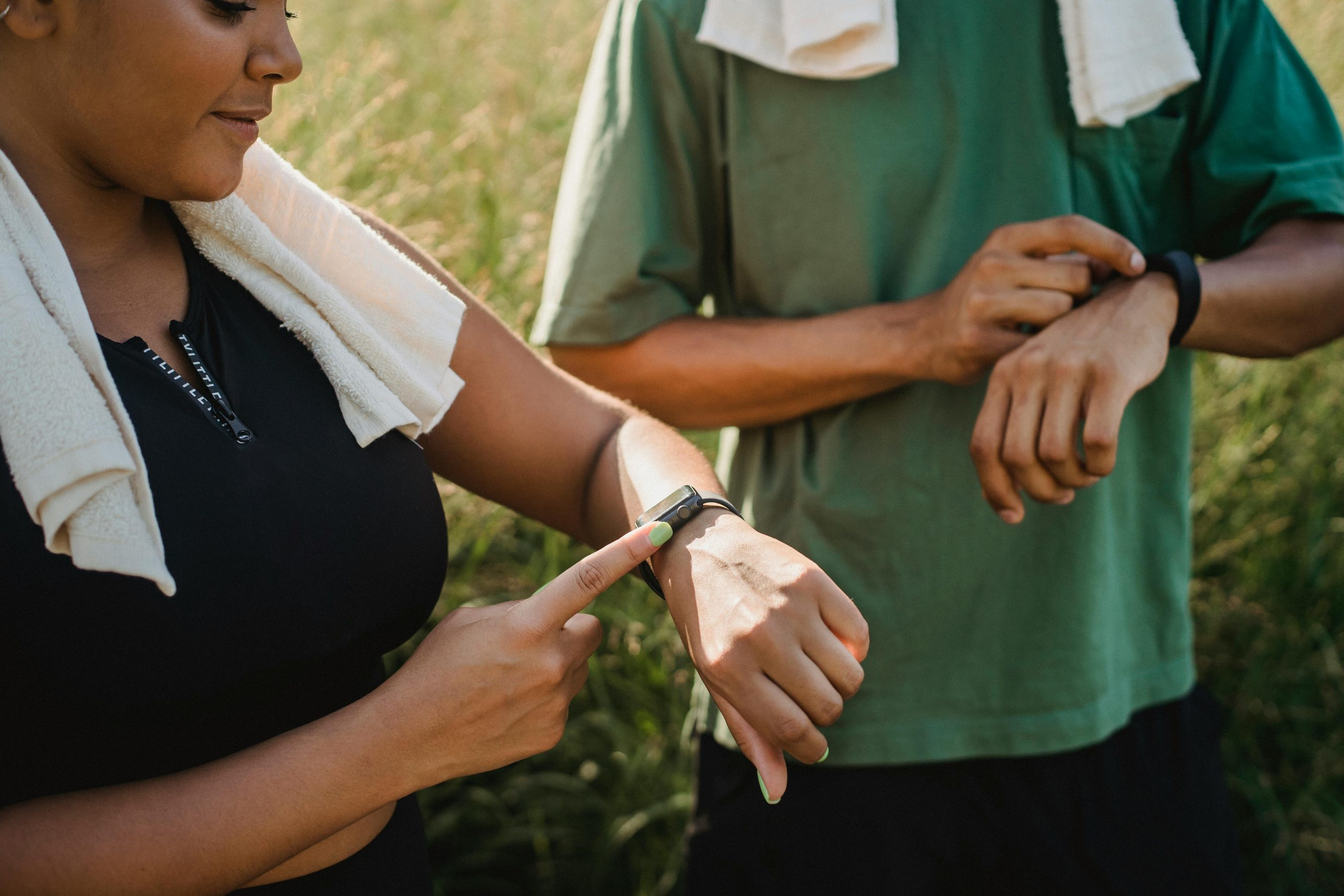
Furthermore, with the rise of smartwatches and other wearable devices, we could see a shift towards wearable mobile payments in the near future. This would allow for a completely hands-free and hassle-free payment experience.
In Conclusion
The shift towards a cashless society is inevitable, and mobile payments are playing a crucial role in this transformation. With its convenience, efficiency, and the continuous advancement of technology, we can expect to see a significant increase in the adoption of mobile payments in the coming years. So, next time you reach for your wallet, remember that the future of payments is in your hands – or more accurately, your smartphone.